
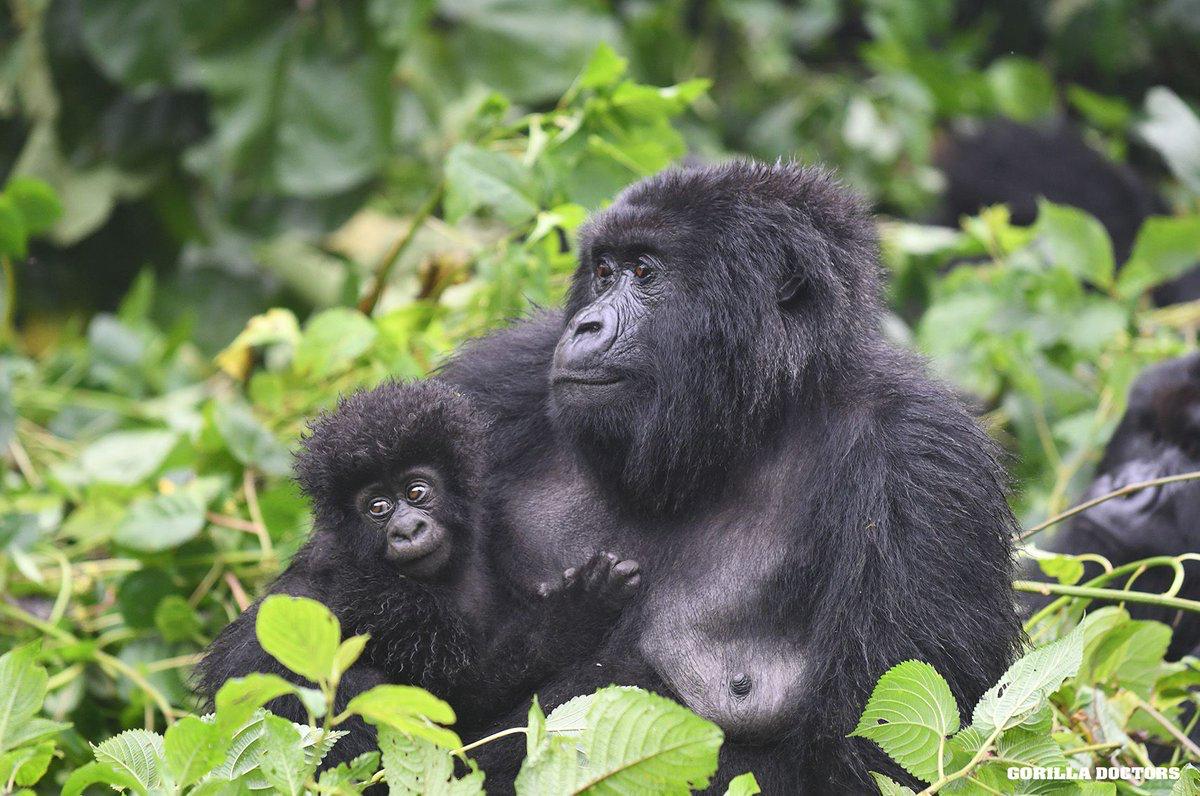
Yes, gorilla habituation is available throughout the year in Uganda, but availability for a particular date depends on permit allocation and whether permits remain available for that day. The experience takes place in the Rushaga sector of Bwindi Impenetrable National Park, and travelers can plan it during both the drier and wetter periods of the year.
Bwindi itself can be visited at any time of year. Uganda Wildlife Authority notes that the forest receives substantial rainfall and that wet-weather gear is essential, but the park remains accessible throughout the year.
For travelers planning a Gorilla Habituation safari, the question is usually not simply whether the experience operates in a particular month. The more important questions are whether your preferred date has a permit available, what the forest conditions are likely to be, and whether the season fits your travel priorities.
Is Gorilla Habituation Available Throughout the Year?
Gorilla habituation is not limited to a particular tourist season. The experience can be planned throughout the year, including during months when Uganda receives more rainfall.
This is important because Bwindi is a rainforest environment. Weather can change quickly, and rain is possible even during traditionally drier months. A wet-season visit does not mean that gorilla habituation stops; rather, travelers should be prepared for potentially muddy trails, wet vegetation, and changing forest conditions.
UWA’s information on Bwindi states that the park can be visited at any time of year.
The availability of a particular gorilla habituation permit, however, is a separate matter. A traveler may choose a date in a month when the experience is operating, but that does not guarantee that a permit will still be available for the exact date requested.
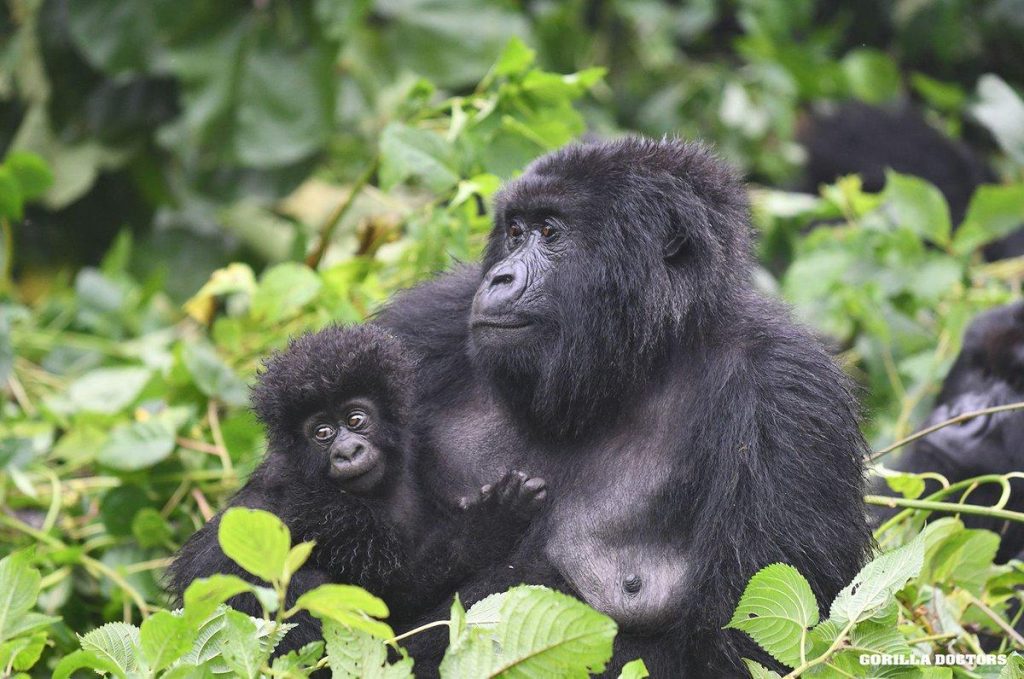
Where does gorilla habituation take place?
Gorilla habituation takes place in the Rushaga sector of Bwindi Impenetrable National Park in southwestern Uganda. Bwindi is divided into four main gorilla trekking sectors: Buhoma, Ruhija, Rushaga, and Nkuringo. UWA identifies these as the park’s principal trekking sectors.
For visitors specifically interested in the extended Gorilla Habituation Experience, Rushaga is the important sector to plan around. This also means that choosing the right accommodation and route is particularly important. Travelers arriving from Kigali, Entebbe, or another Ugandan destination need to allow enough time to reach the Rushaga area before the experience.
If you are unfamiliar with the different parts of Bwindi, our guide to Where Does Gorilla Habituation Take Place? Explains the location in more detail.
Which months can you do gorilla habituation in Uganda?
You can plan a Gorilla Habituation safari in any month of the year, subject to permit availability.
The year can broadly be divided into periods with relatively drier conditions and periods with more rainfall, but Bwindi’s rainforest climate means that these descriptions should not be treated as guarantees of dry or wet weather on a particular day.
| Period | General Conditions | What it means for gorilla habituation |
|---|---|---|
| January–February | Favorable travel conditions in much of Uganda | Good option for travelers wanting to combine habituation with a wider safari |
| March–May | Wetter period, with April and May particularly associated with heavier rain | Trails can be muddy, but habituation can still be planned |
| June–August | One of the drier periods | Popular for gorilla and wildlife safaris, so planning is important |
| September–October | Variable conditions, with rainfall possible | Suitable for habituation with normal rainforest preparation |
| November–December | Wetter conditions can return, particularly in November | Gorilla habituation remains possible; rain gear and good footwear are important |
These are broad seasonal patterns rather than guarantees. Bwindi is a high-altitude rainforest, and conditions can change quickly.
Is Gorilla Habituation Available During the Rainy Season?
Yes, gorilla habituation is available during the rainy season, provided permits are available for your chosen date. Rain is part of the Bwindi environment, so visiting during a wetter period does not mean you should expect the activity to be cancelled simply because it rains.
The bigger consideration is the condition of the forest trails. Rain can make steep sections slippery and muddy. Vegetation may also be wet, and walking through dense forest for several hours can be physically demanding. Good hiking shoes, waterproof clothing, and protection for cameras and other equipment become particularly useful. Bwindi receives significant annual rainfall, and UWA specifically recommends wet-weather gear for visitors to the park.
For more preparation advice, you can also read What Should I Wear for Gorilla Habituation?
Is the dry season better for gorilla habituation?
For many travelers, the relatively drier months can be more comfortable for hiking, particularly if they are concerned about muddy trails. June, July, and August are commonly considered part of Uganda’s drier period, while January and February can also offer favorable conditions in many parts of the country. However, drier does not mean guaranteed sunshine in Bwindi. This is still a rainforest, and rainfall can occur at any time.
The major advantage of a drier period is often the hiking experience rather than a guarantee of better gorilla encounters. Travelers should not book a particular month expecting that the gorillas will necessarily be easier to find or more active because of the season. The experience is influenced by the gorillas’ movements, forest conditions, and the work of the habituation team.
Is the rainy season a bad time for gorilla habituation?
Not necessarily. A rainy-season gorilla habituation experience can still be extremely rewarding. The forest can be particularly lush, and travelers who do not mind wet conditions may find the environment itself part of the experience. The trade-off is comfort. You may encounter muddy trails, wet vegetation, and heavier rain during your trek. The terrain around Bwindi is also steep in places, so appropriate footwear and physical preparation become more important.
For travelers who are comfortable hiking in wet conditions, the rainy season can therefore be a perfectly reasonable time to visit. One advantage of traveling outside the most popular periods can also be the possibility of combining the Gorilla Habituation experience with other activities while taking advantage of seasonal travel opportunities. However, permit availability should always be checked rather than assumed.
Does gorilla habituation stop when it rains?
Ordinary rain does not automatically mean that your Gorilla Habituation Experience is cancelled. The experience takes place in a rainforest, so rain is a normal part of the environment. The important consideration is whether conditions remain safe for visitors, guides, and the gorillas.
UWA’s tracking guidelines specify the operating schedule for Gorilla Habituation, which begins at 6:30 a.m. and continues until visitors return to the briefing location. The guidelines also establish a maximum gorilla viewing time of four hours for the habituation experience. This differs from saying that every visit will involve four continuous hours of viewing. The actual encounter depends on locating and following the gorilla group and on the applicable rules and conditions.
If you are wondering how this compares with standard trekking, our article, How Many Hours Do You Spend With Gorillas During Habituation? explains the difference.
Does the season affect how long you spend with the gorillas?
The maximum permitted viewing time does not simply change because it is the rainy or dry season. UWA’s current tracking guidelines state that normal gorilla tracking has a maximum viewing time of one hour, while the Gorilla Habituation Experience has a maximum viewing time of four hours. Weather can, however, affect the practical conditions of the trek. The forest may be more difficult to navigate after heavy rain, and the gorilla group may move through dense vegetation or challenging terrain.
It is therefore better to think of the season as influencing the hiking conditions, rather than assuming it changes the official habituation viewing allowance.
When is the best time for gorilla habituation in Uganda?
There is no single month that is officially designated as the “best” month for gorilla habituation. The best time depends on what you value most. If you want relatively easier hiking conditions, you may prefer a drier period. If you are comfortable with rain and muddy trails, you can consider the wetter months as well.
For travelers combining habituation with a broader Uganda wildlife safari, the decision may also depend on the rest of the itinerary. For example, someone planning: Kigali → Bwindi → Queen Elizabeth → Kibale may choose dates based on the overall safari rather than Gorilla Habituation alone.
Someone whose primary goal is the forest experience may have more flexibility and can simply choose the month that works best with their schedule and permit availability.
What are the best months for a Uganda gorilla safari?
The most suitable months for a Uganda gorilla safari often depend on the balance between weather, trekking conditions, availability, and budget. The relatively drier periods of June–August and January–February are often attractive to travelers who prefer less rainfall, while the wetter periods can work well for visitors who are comfortable with rain. It is important not to treat this as a strict high-season/low-season rule for every safari component.
Uganda has several ecosystems, and the conditions in Bwindi can be quite different from those in the savanna parks. This is one reason a longer Uganda wildlife safari should be planned as a complete journey rather than choosing dates based solely on one destination.
Are Gorilla Habituation Permits Available Every Day?
The experience operates throughout the year, but that does not mean an unlimited number of permits are available every day.
Gorilla permits are controlled and allocated through Uganda Wildlife Authority’s system. UWA’s guidelines specify the procedures for gorilla tracking and habituation permits, including the requirement for authentic permits and designated entry points.
This is why travelers should check availability before building an itinerary around a specific date. If your dates are flexible, giving your tour operator a range of possible dates can make the planning process easier. If you have only one available day, it is better to check the permit before making non-refundable arrangements around that date.
You can also read How Far in Advance Should I Book Gorilla Habituation? for more information about planning.
Is Gorilla Habituation More Difficult During the Rainy Season?
It can be. The major difference is the condition of the trail rather than the gorilla habituation activity itself. Wet conditions can make steep paths slippery, while mud can slow walking. Dense vegetation may also be wet, and branches can drip long after rainfall has stopped. This does not mean that rainy-season habituation is unsuitable. It simply means that travelers should arrive prepared.
A good pair of hiking boots, waterproof clothing, a daypack with rain protection, and protection for cameras are particularly useful. A porter can also be helpful if you want assistance carrying your equipment and belongings. Our guide, Can I Hire a Porter for Gorilla Habituation in Uganda? Covers this in more detail.
What should you pack for gorilla habituation during the wet season?
If you choose a wetter month, your packing list should reflect the rainforest conditions. Waterproof outer clothing is useful, but it is also worth thinking about what happens after the rain. Your clothes can become damp from both rainfall and vegetation, so quick-drying layers are preferable.
Your camera and phone should also be protected. A waterproof bag or rain cover can prevent equipment from becoming unusable after an unexpected downpour. Good footwear is especially important because the trail can become muddy.
For a complete packing guide, see What Should I Wear for Gorilla Habituation?
Does the weather affect gorilla photography?
It can affect photography conditions, but it does not necessarily make rainy-season photography worse. Bwindi’s forest can be relatively dark even on bright days because of the dense canopy. Rain can reduce available light further, making camera settings, lenses, and image stabilization more important.
Wet vegetation can create interesting textures and atmospheric photographs. Regardless of the season, visitors must follow the applicable gorilla photography rules. Flash photography should not be used around the gorillas, and visitors must follow the instructions of the guides and habituation team.
Our guide, Can I Take Photographs During Gorilla Habituation? provides more detailed advice on cameras, lenses, and photography etiquette.
Are Gorilla Habituation Permits Cheaper During the Rainy Season?
You should not assume that the Gorilla Habituation permit is automatically cheaper simply because you travel during a rainy month. UWA’s 2026–2027 tariff notice does introduce low-season rates for certain gorilla and chimpanzee permits during April, May, and November. The published tariff specifically lists a reduced Gorilla Habituation rate for those low-season months compared with the regular Foreign Non-Resident rate.
However, travelers should check the tariff applicable to their exact travel date and visitor category before making a booking because UWA tariffs can change. This distinction is important when calculating the total cost of a gorilla habituation safari. The permit is only one part of the trip. Accommodation, transportation, meals, and other activities can significantly affect the final safari price.
Is April, May, or November a good time for gorilla habituation?
These months can be particularly interesting for travelers who are flexible with their dates. Under UWA’s 2026–2027 tariff, April, May, and November are designated low-season months for the applicable discounted permit rates.
The trade-off is that these months can have wetter conditions. For travelers who prioritize keeping the permit cost lower and do not mind rain, they may therefore be worth considering. For travelers who strongly prefer easier hiking conditions, the drier months may be more attractive even if the applicable permit and accommodation costs are higher.
Can you combine gorilla habituation with a Uganda safari at any time of year?
Yes, although the best combination depends on the season and the other activities you want to include. Gorilla habituation can form the centerpiece of a wider itinerary that includes Queen Elizabeth National Park, Kibale Forest, Lake Bunyonyi, or other destinations.
A primate-focused itinerary could combine Bwindi with Kibale for chimpanzee experiences, creating a broader Uganda primate safari. A wildlife-focused itinerary could combine Bwindi with Queen Elizabeth National Park for gorillas and savanna wildlife.
If you want to combine several experiences, our guide Can I Combine Gorilla Habituation With a Uganda Safari? provides additional itinerary ideas.
Can you do gorilla habituation from Kigali throughout the year?
Yes. Travelers can plan Gorilla Habituation from Kigali during different times of the year, subject to permit availability and the practical conditions of the route. The Kigali route is particularly useful for travelers who are already visiting Rwanda and want to continue into southwestern Uganda. A typical itinerary might connect Kigali with the Bwindi region and then continue toward another Ugandan destination.
If you are considering this route, see Can Gorilla Habituation Be Included in a Rwanda and Uganda Safari? And can I do gorilla habituation from Kigali?.
What is the best month to book gorilla habituation?
Rather than choosing a month solely because someone calls it the “best,” start with your priorities.
If comfortable hiking is most important, consider a relatively drier period.
If lower-season permit pricing is important, check the applicable April, May, and November rates.
If you have a fixed holiday period, focus first on checking permit availability for your dates.
If you want to combine Gorilla Habituation with wildlife or chimpanzee experiences, consider the entire Uganda itinerary when selecting your travel dates.
And if you are traveling from Rwanda, factor in the border crossing and road journey when planning the days around your habituation permit.
Gorilla Habituation Availability by Month
| Month | Gorilla Habituation | General Weather Consideration | Planning Note |
|---|---|---|---|
| January | Available | Favorable conditions | Good for combined safaris |
| February | Available | Favorable conditions | Popular travel period |
| March | Available | Rainfall begins increasing | Prepare for wet trails |
| April | Available | Wetter conditions | UWA low-season tariff applies under 2026–2027 schedule |
| May | Available | Wetter conditions | UWA low-season tariff applies under 2026–2027 schedule |
| June | Available | Drier | Good for travelers who prefer firmer trails |
| July | Available | Drier | Popular safari period |
| August | Available | Drier | Popular safari period |
| September | Available | Variable | Suitable for normal rainforest preparation |
| October | Available | Variable rainfall | Flexible travel option |
| November | Available | Wetter conditions | UWA low-season tariff applies under 2026–2027 schedule |
| December | Available | Variable conditions | Good for festive-season travel |
Note: “Available” refers to the experience operating during the month; it does not mean a permit is guaranteed for every date. Specific permit availability must be checked for your preferred travel date.
Frequently Asked Questions
Is gorilla habituation available throughout the year?
Yes, gorilla habituation can be planned throughout the year in Uganda, subject to permit availability and applicable UWA operating conditions.
Can I do gorilla habituation during the rainy season?
Yes. Rain does not make the experience unavailable. However, travelers should be prepared for muddy trails, wet vegetation, and changing forest conditions.
Which months are the wettest for gorilla habituation?
April, May and November are among the wetter periods considered in Uganda’s seasonal travel planning, although rainfall can occur at any time in Bwindi’s rainforest environment.
Which months are best for gorilla habituation?
There is no single best month for everyone. Drier periods can be more comfortable for hiking, while April, May, and November may appeal to travelers interested in the low-season permit rates applicable under UWA’s 2026–2027 tariff.
Can I book Gorilla Habituation for December?
Yes, subject to permit availability for your preferred date.
Can I do gorilla habituation in July?
Yes, July is within the period when gorilla habituation can be planned, and it is often attractive to travelers who prefer relatively drier hiking conditions.
Does rain cancel gorilla habituation?
Rain by itself does not automatically cancel the experience. Operations remain subject to safety, park management, and the applicable UWA guidelines.
How long do I spend with the gorillas during habituation?
UWA’s current guidelines provide a maximum viewing time of four hours for the Gorilla Habituation Experience, compared with one hour for normal gorilla tracking.
Where does gorilla habituation take place?
The Gorilla Habituation Experience is conducted in the Rushaga sector of Bwindi Impenetrable National Park.
Should I avoid the rainy season?
Not necessarily. If you are comfortable hiking in wet conditions, the rainy season can still provide an excellent Gorilla Habituation experience.
Final Verdict: Is Gorilla Habituation Available All Year?
Yes, gorilla habituation is available throughout the year, so you do not have to restrict your Uganda trip to one particular season.
The bigger consideration is choosing between the different seasonal conditions. Drier months may provide more comfortable hiking, while wetter months can still offer an excellent forest experience and, under the applicable UWA 2026–2027 tariff, April, May, and November have designated low-season permit rates. Whatever month you choose, the most important step is to check Gorilla Habituation permit availability for your exact travel date before finalizing the rest of your itinerary.
For travelers who want the experience combined with wildlife, chimpanzees, scenery, or a Rwanda–Uganda journey, the itinerary can then be built around the confirmed habituation date.