
Introducing Bwindi Impenetrable National Park
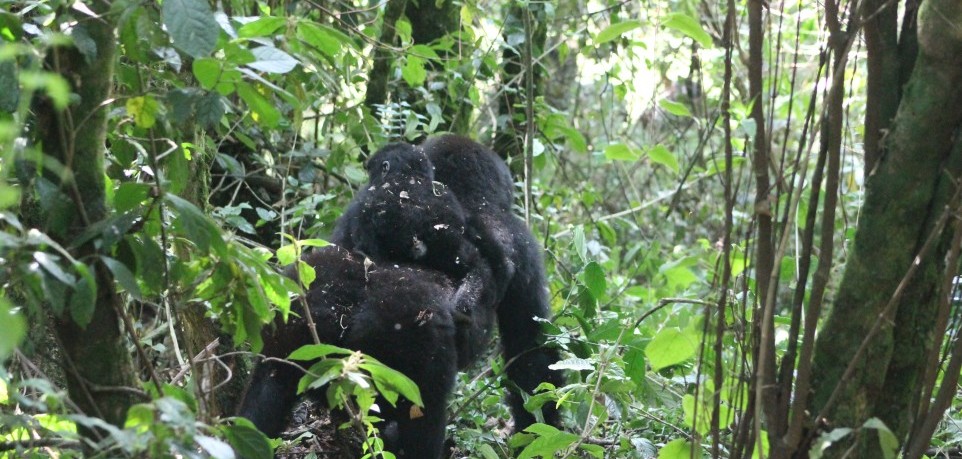
Bwindi Impenetrable National Park is a high-altitude rainforest in southwestern Uganda and one of Africa’s most important mountain gorilla habitats. The park protects steep ridges, tangled valleys, streams and exceptionally rich plant life along the edge of the Albertine Rift. Its name describes the density of the forest, but a visit is carefully managed through ranger-led activities rather than an uncontrolled walk into the wilderness. Most travellers come for mountain gorilla trekking, although the wider value of Bwindi includes birding, forest walks, community encounters and the chance to understand how tourism, conservation and neighbouring livelihoods are connected. The Gorilla Safaris collection shows itineraries that include a genuine primate component, while the Uganda Safaris collection adds options that combine Bwindi with savannah parks, chimpanzee forests and lakes. This guide explains the practical differences between sectors, permits, seasons, accommodation and access so Bwindi is chosen as a destination rather than mistaken for one particular safari package.
Why Bwindi matters for mountain gorilla conservation
Bwindi is part of the transboundary mountain ecosystem of southwestern Uganda, but it is distinct from the Virunga volcano chain. The protected forest is recognised for exceptional biodiversity and is listed by UNESCO as a World Heritage Site. Mountain gorillas live in social families, and only selected habituated groups are available for regulated tourism. Trekking rules are designed to limit disturbance and reduce health risks while creating revenue and employment linked to conservation. Visitors should never approach gorillas independently, imitate their behaviour, use flash photography or pressure a ranger for more time. The exact viewing period, group size, health guidance and minimum age are governed by current regulations. Read the detailed guide to Bwindi’s gorilla sectors and consult the Uganda Wildlife Authority for official background. A private tour operator can coordinate the route and accommodation, but only the proper authority controls permits and park rules.
Buhoma, Ruhija, Rushaga and Nkuringo sectors
Bwindi is not one single gate. Gorilla activities are organised in different sectors around a large, mountainous forest, and the road journey between them can be long. Buhoma lies on the northern side and is one of the best-known tourism areas, with a broad range of lodges and connections towards Queen Elizabeth National Park. Ruhija is on the eastern side at higher elevation and is valued by both gorilla trekkers and birders. Rushaga and Nkuringo serve the southern forest and can connect logically with Lake Mutanda, Kisoro, Mgahinga or travel through Rwanda when current border arrangements allow. The confirmed trekking sector should guide the lodge choice. Booking an attractive lodge on the wrong side of the forest may create a very early, tiring transfer or make the plan impractical. The destination menu now opens this complete Bwindi guide, while individual itineraries such as the three-day Bwindi gorilla safari remain separate packages with their own route, inclusions and schedule.
Gorilla trekking and the habituation experience
A standard gorilla trek normally begins with a briefing at the assigned sector. Rangers allocate visitors to groups and explain forest behaviour, safety and conservation rules. The search may be relatively short or take several hours because gorillas move naturally through steep habitat. Once the family is located, the controlled viewing period begins under ranger supervision. The gorilla habituation experience is a different activity with its own permit and operating conditions. It offers longer field time with a gorilla group still becoming accustomed to carefully controlled human presence, but it is not simply a longer version of every normal trek. Availability is limited and the day can be physically demanding. Compare the Gorilla Habituation Experience guide with normal trekking before requesting a permit. Neither experience guarantees easy terrain, a particular gorilla pose or perfect photography conditions. The value comes from entering the forest responsibly and observing a wild gorilla family within the rules established for its protection.
Fitness, terrain and using a porter
Bwindi’s terrain can include mud, roots, thick vegetation, stream crossings and sustained climbs. The distance is impossible to promise in advance because trackers locate the gorillas according to their current position. Travellers do not need to be elite athletes, but regular walking and honest preparation make the day more comfortable. Closed hiking footwear with reliable grip, long trousers, long sleeves, rain protection, gloves and a small daypack are useful. Carry drinking water and the packed food arranged by the lodge or guide. Hiring a local porter is strongly recommended even for confident walkers. A porter can carry the daypack, offer a steady hand on difficult ground and provide direct local income. Tell the planning team about knee, back, breathing or mobility concerns before permits and accommodation are confirmed. Rangers make operational decisions at the briefing, and no website can guarantee a particular group or an easy route. Thoughtful pacing, suitable clothing and listening closely to the ranger are more important than rushing.
When to visit Bwindi
Bwindi is a tropical mountain forest, so rain is possible in every month. Drier periods are often preferred because some trails and unpaved approaches may be easier, but popular dates can have stronger demand for permits and lodges. Greener or wetter periods can bring dramatic forest colour, active birdlife, misty landscapes and fewer visitors, while also increasing the likelihood of mud and slower road travel. The best time depends on the complete route, not Bwindi alone. A traveller combining gorillas with Queen Elizabeth, Kibale, the Rwenzori region or a regional flight should consider road conditions, park seasons, flight days and accommodation availability together. Avoid choosing dates solely from a generic weather chart. Share a range of possible dates through the open contact form so the planner can compare permit space with the rest of the itinerary. Confirm current access and regulations before payment because official fees, schedules and operating conditions may change.
Reaching Bwindi from Entebbe, Kigali and other parks
Most international visitors enter Uganda through Entebbe and either travel overland to the southwest or use a scheduled or charter flight to an appropriate regional airstrip followed by a road transfer. The overland journey is long, so a well-designed itinerary often includes meaningful stops rather than treating the entire country as a quick transfer. Kigali can sometimes be a practical entry point for southern Bwindi, subject to current immigration, border and vehicle arrangements. Queen Elizabeth National Park pairs naturally with northern Bwindi routes, while Lake Bunyonyi, Lake Mutanda and Mgahinga can complement southern sectors. The correct connection depends on the permit sector, not just the words “Bwindi lodge” in an accommodation description. The Destination Guides help compare Uganda’s parks, and the complete Safari Package Library shows routes of different lengths. A private proposal should state approximate driving times, border plans, flight limitations and where the gorilla briefing starts.
Where to stay around the forest
Accommodation ranges from practical guesthouses to comfortable forest lodges and high-end properties. Price is only one part of the decision. Location relative to the confirmed briefing point is critical, followed by road access, room configuration, steps, electricity, hot water, meal times and the atmosphere preferred by the traveller. A lodge overlooking a valley may have wonderful scenery but require steep paths that are not ideal for every guest. Families may need adjoining rooms or an alternative activity for children who cannot trek. Photographers may value secure charging and early breakfast, while honeymooners may prefer privacy and a slower second night after the trek. Ask what is included and whether drinks, laundry, porter costs, community activities and transfers are separate. The best lodge is the property that matches the correct sector, comfort needs and budget without creating an avoidable transfer on trekking morning.
Birding, forest walks and community experiences
Gorillas are the headline, but Bwindi should not be reduced to a single hour. The forest is internationally important for Albertine Rift biodiversity and attracts serious birders, naturalists and travellers interested in plants, butterflies and smaller primates. Guided walks differ by sector and current access, so the exact trail should be checked during planning. Community experiences may include village walks, craft demonstrations, cultural performances or visits to locally managed projects. Choose activities that are transparent, respectful and fairly organised. Ask before photographing people and avoid treating daily life as a display. A second night can reduce pressure after a long transfer and make room for another forest or community activity. Independent conservation information from IUCN can add context, while local rangers and guides provide the most relevant interpretation on the ground. The aim is a visit that values the wider landscape as well as the gorilla encounter.
Combining Bwindi with the rest of Uganda
Bwindi combines well with chimpanzee tracking in Kibale Forest, game drives and boat safaris in Queen Elizabeth National Park, the lakes and volcanoes around Kisoro, or a longer circuit towards Murchison Falls. The route must respect geography. Adding every famous park can create more time in the vehicle than with wildlife, especially on a short holiday. A focused three- or four-day journey may suit travellers entering through Kigali or flying regionally, while a week or longer allows a more balanced Uganda circuit. Multi-country combinations with Rwanda, Congo, Kenya, Tanzania or Zanzibar need additional attention to flights, borders and permit timing. Safari cards are reserved for these real itineraries; Bwindi itself is presented with the destination layout, and activities such as habituation use the experience layout. This separation helps visitors understand whether they are opening a place, an activity, an editorial guide or a day-by-day package.
Planning responsibly and making an inquiry
Responsible planning starts with accurate dates, traveller ages, fitness considerations, permit requirements and a realistic accommodation budget. Never travel when suffering from a contagious illness that could endanger gorillas, and follow current health instructions given by the authority and rangers. Keep the required distance, speak quietly, avoid litter and do not promise gifts directly to children or communities without understanding the local context. Travel insurance should cover the activities and destinations in the confirmed itinerary. When you are ready, send the number of travellers, possible dates, preferred sector if known, accommodation level, arrival point and other interests to trek@gorillauganda.com or use the contact form. The Uganda office can be reached on WhatsApp at +256 759 392 905, and the Rwanda office at +250 793 531 103. A specialist can then match the permit sector, lodge and wider route instead of sending visitors to an unrelated safari page.