
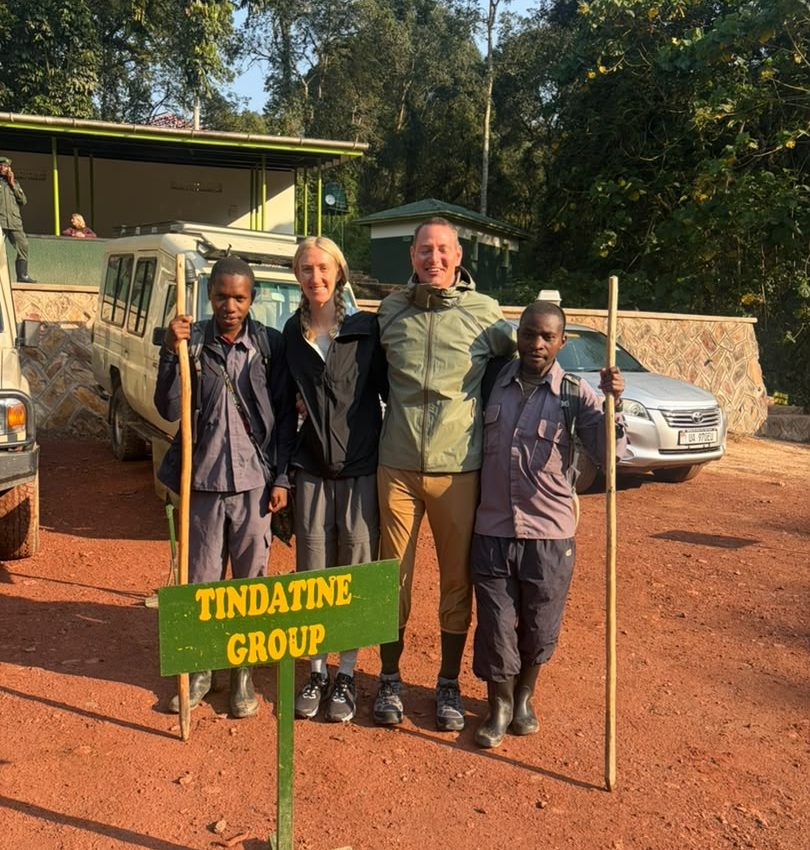
What should I wear for gorilla habituation? The best clothing for gorilla habituation in Uganda should protect you from rain, mud, insects, scratches, and dense vegetation while keeping you comfortable during a long day in Bwindi Impenetrable National Park. Unlike ordinary gorilla trekking, where the gorilla viewing period is limited to one hour, habituation allows visitors to spend up to four hours with a gorilla family once it has been located. This means you should dress for several hours of hiking through a wet, steep, and sometimes muddy rainforest rather than simply dressing for a wildlife viewing activity.
The most important items are sturdy, waterproof hiking boots, long trousers, a long-sleeved shirt, comfortable socks, gardening or trekking gloves, a waterproof jacket, and a small backpack. Your clothing should be practical and comfortable because Bwindi is a genuine rainforest environment, and the exact conditions can change considerably during the day.
Why Does What You Wear Matter During Gorilla Habituation?
Gorilla habituation takes place in the Rushaga Sector of Bwindi Impenetrable National Park, and understanding where gorilla habituation takes place is useful when deciding what clothing and footwear to pack. You may walk through thick undergrowth, negotiate muddy sections, and use vegetation for support as you follow trackers toward the gorilla family.
The experience can also last much longer than the actual four-hour gorilla observation period, which is why understanding how many hours you spend with gorillas during habituation is important when preparing your clothing and equipment. Visitors and gorillas are protected by official conservation rules that govern the experience. The Uganda gorilla tracking and habituation guidelines explain the procedures, visitor conduct, and time limits that apply during gorilla tracking and habituation activities. No fixed distance or guaranteed trekking time exists, as the gorilla family’s location changes daily.
This is why what to wear for Gorilla Habituation in Bwindi should be approached as a hiking and rainforest clothing question. Looking fashionable is far less important than protecting your feet, legs, and arms while remaining comfortable for several hours.
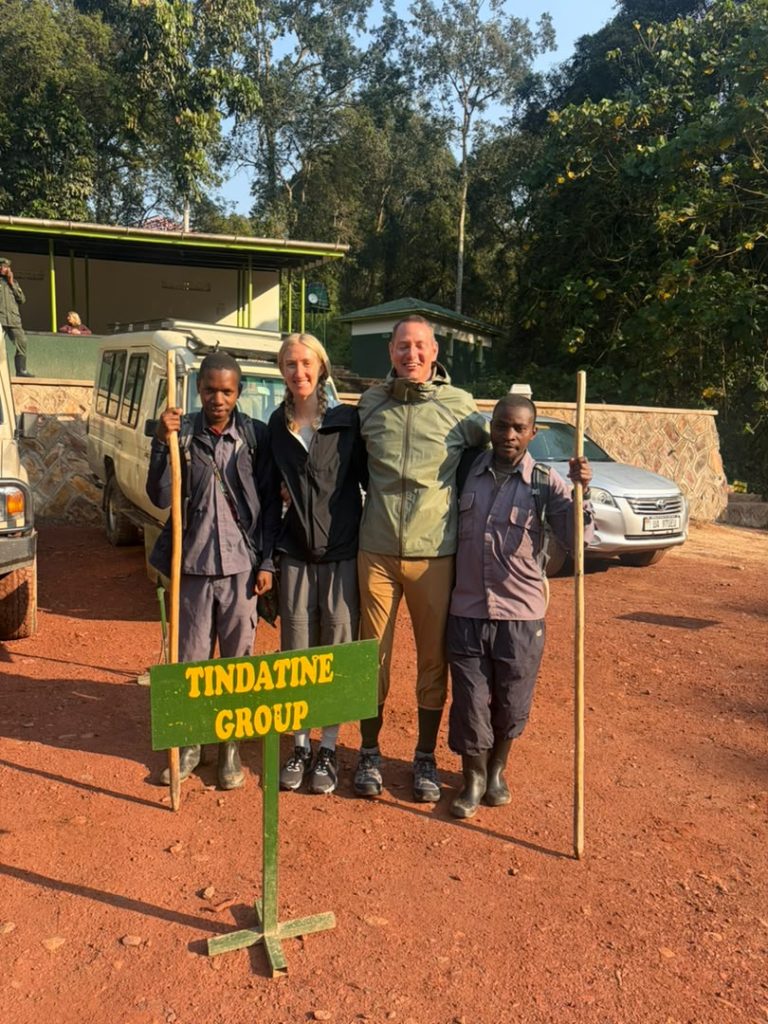
What is the best clothing for gorilla habituation?
The ideal gorilla habituation clothing is lightweight, breathable, and protective. Long trousers and long sleeves are particularly useful because they provide a barrier between your skin and vegetation, insects, and branches.
Choose hiking trousers made from quick-drying material where possible. Jeans are less practical because they become heavy and uncomfortable when wet. A lightweight, long-sleeved hiking shirt is also preferable to a heavy cotton shirt because it can dry more quickly after rain or perspiration.
Neutral, subdued clothing is commonly recommended for wildlife experiences because it is less conspicuous in the forest. Practical colours such as khaki, brown, grey and dark green work well. The more important consideration, however, is that the clothing provides protection and does not restrict your movement.
Long Trousers
Long hiking trousers are one of the most important items to wear during gorilla habituation. They protect your legs from vegetation, insects, mud, and scratches while moving through dense forests.
Choose trousers that allow you to take long steps and bend your knees comfortably. Lightweight hiking trousers with pockets are particularly convenient because they allow you to carry small essentials without constantly reaching into your backpack.
Avoid wearing shorts for the habituation experience. Although shorts may be comfortable in warm weather, they leave your legs exposed during a trek through dense vegetation.
Long-Sleeved Shirt
A long-sleeved hiking shirt provides additional protection for your arms while walking through Bwindi. Choose a lightweight and breathable material rather than something heavy.
A long-sleeved shirt is particularly useful when vegetation becomes thick and you need to move branches out of your way. It also gives you another layer of protection from insects and minor scratches.
Waterproof Hiking Boots
If there is one item you should prioritize when preparing for gorilla habituation in Uganda, it is your footwear.
Wear sturdy, waterproof hiking boots with good traction and ankle support. Bwindi can contain slippery, muddy, and uneven sections, and good grip makes walking considerably more comfortable and secure. Current gorilla habituation preparation guidance similarly recommends sturdy waterproof hiking boots because visitors may spend several hours navigating difficult forest terrain.
Do not bring brand-new boots and wear them for the first time on the habituation trek. Break them in before your safari to reduce the risk of blisters.
Hiking Socks
Wear comfortable, moisture-managing hiking socks rather than thin everyday socks. Your feet can become hot or wet during a long forest trek, so good socks can make a major difference.
It is also sensible to carry one spare pair of socks in your backpack. If your original pair becomes wet, changing them can make the remainder of the trek considerably more comfortable.
Should you wear gloves for gorilla habituation?
Yes, gardening gloves or lightweight trekking gloves are highly recommended.
This is one of the small pieces of equipment that travelers sometimes overlook. In dense forests, you may need to hold vegetation for balance or move branches out of your path. Gloves provide some protection against rough vegetation, thorns, and minor scratches while also improving your grip.
You do not need expensive specialist mountaineering gloves. A comfortable pair of lightweight gardening or trekking gloves is generally sufficient.
Do you need a rain jacket for gorilla habituation?
Absolutely. A waterproof rain jacket or lightweight rain poncho should be part of your gorilla habituation clothing.
Bwindi is a rainforest environment, and rain can occur even when the morning begins with clear skies. Prepare for changing weather rather than assuming a dry-season safari guarantees dry conditions.
A lightweight waterproof jacket with a hood is particularly useful because you can pack it into your daypack when the weather is dry and quickly put it on when rain begins. Gorilla habituation preparation guides also recommend carrying rain protection because forest weather can change quickly.
What should I wear from head to toe?
For a simple Gorilla Habituation dress code, use the following as your starting point:
| Body Area | Recommended Clothing | Why It Helps |
|---|---|---|
| Head | Safari hat or cap | Provides protection from sun and light rain |
| Upper Body | Lightweight long-sleeved shirt | Protects your arms from vegetation, insects and minor scratches |
| Legs | Long hiking trousers | Protects your legs from vegetation, insects, mud and scratches |
| Feet | Waterproof hiking boots | Provides grip, ankle support and protection on muddy terrain |
| Socks | Comfortable hiking socks | Helps reduce friction and keeps your feet comfortable |
| Hands | Gardening or trekking gloves | Protects your hands and improves grip when moving through vegetation |
| Outer Layer | Waterproof rain jacket or poncho | Protects you from rain and changing rainforest weather |
| Lower Legs | Gaiters (optional) | Helps keep mud, water, insects, and vegetation out of your boots |
Should you wear gaiters for gorilla habituation?
Gaiters are optional but useful. They are particularly helpful when conditions are wet or muddy because they cover the gap between your trousers and boots.
Gaiters can help prevent mud, water, tiny insects, and vegetation from getting inside your footwear. They are not essential for every traveler, but if you already own a comfortable pair of hiking gaiters, they are worth bringing.
If you do not have gaiters, simply make sure your trousers and boots fit securely and wear long socks.
What colours should you wear during gorilla habituation?
For gorilla habituation, practical neutral or earth-tone clothing is a sensible choice. Khaki, grey, brown, and dark green are commonly used for forest and wildlife activities.
The primary reason to choose these colours is practicality and discretion rather than trying to become invisible to the gorillas. Your behavior, distance, and compliance with ranger instructions are much more important than the exact colour of your shirt.
Avoid choosing to clothe purely for fashion if it is uncomfortable to move in, or unsuitable for wet conditions.
What should you avoid wearing?
There are several clothing choices that are simply impractical for gorilla habituation in Bwindi.
Avoid shorts, open sandals, high-fashion shoes, brand-new hiking boots, tight clothing, and heavy jeans. These can become uncomfortable when you are walking for several hours through wet and uneven terrain.
You should also avoid strong perfumes or heavily scented products. Wildlife encounters require minimizing unnecessary disturbances, and the safest approach is to follow the instructions given by your ranger and tracking team.
Most importantly, don’t dress as though you are going on an ordinary sightseeing tour. Gorilla habituation is a rainforest hiking experience, and your clothing should reflect that.
What should I pack in my backpack?
Your clothing is only part of your preparation. Because you may spend several hours in the forest, carry a small, comfortable backpack containing the essentials.
Useful items include drinking water, snacks, a waterproof jacket, camera equipment, spare batteries or a power bank, insect repellent, sunscreen, personal medication, tissues, and a waterproof bag or backpack cover. Gorilla habituation preparation guidance also recommends carrying water, snacks, and protection for camera equipment.
Do not make your backpack unnecessarily heavy. You will appreciate carrying less weight when walking through steep forest terrain for an extended period.
A porter can also be hired to assist with your backpack and provide support during the trek. This can be particularly useful for travelers who want to concentrate fully on the forest experience rather than carrying their own equipment.
What Should Women Wear for Gorilla Habituation?
There is no special clothing requirement based on gender. Women should follow the same principle as all visitors: choose comfortable, protective, and weather-appropriate hiking clothing.
Long hiking trousers, a breathable long-sleeved shirt, good hiking boots, comfortable socks, gloves, and a waterproof jacket provide an excellent combination.
If you prefer, lightweight hiking leggings can be worn underneath more protective trousers, particularly in cooler weather. The priority should always be comfort and freedom of movement.
What Should Men Wear for Gorilla Habituation?
Men should also choose practical hiking clothing rather than ordinary safari sightseeing clothes. Long trousers, a breathable long-sleeved shirt, waterproof hiking boots, hiking socks, gloves, and a rain jacket are a strong basic combination.
Avoid heavy clothing that becomes uncomfortable when wet. Bwindi’s rainforest environment can be humid, so breathable layers are generally more comfortable than thick clothing.
Does gorilla habituation require different clothing from gorilla trekking?
The basic clothing requirements are very similar, but gorilla habituation can require greater attention to comfort and durability because the experience involves more time in the forest.
Standard gorilla trekking provides a limited gorilla viewing period after the animals are located, while gorilla habituation allows up to four hours with a gorilla family. The longer experience can mean more walking, more exposure to changing weather, and more time navigating the forest.
This is why I recommend treating what to wear for Gorilla Habituation as a serious hiking preparation question rather than simply copying an ordinary safari outfit.
Gorilla habituation requires more time and preparation than a standard trek. Visitors should therefore wear suitable clothing and footwear because the experience can involve several hours in challenging forest conditions. Understanding: Is gorilla habituation harder than normal gorilla trekking? can help travelers decide whether this experience is right for them.
What is the best outfit for gorilla habituation?
If you want the simplest answer, wear long hiking trousers, a lightweight long-sleeved shirt, comfortable hiking socks, waterproof ankle-support hiking boots, gardening gloves, and a waterproof jacket. Add gaiters if you expect particularly wet or muddy conditions, and carry a small backpack containing water, snacks, and rain protection.
Remember that the goal is not to look like a professional mountaineer. The goal is to stay dry, protected, comfortable, and mobile while following your trackers through Bwindi.
Preparing for gorilla habituation involves more than choosing the right clothing. You also need to budget for the permit and other safari arrangements. Before booking, it is useful to understand how much a Gorilla Habituation permit costs in Uganda and what is included in the overall cost of the experience.
Because gorilla habituation permits are limited and the experience is in high demand, planning is important, especially if you are travelling during the busiest months. If you have not yet secured your dates, you can learn more about how far in advance you should book Gorilla Habituation and what can affect permit availability.
Final Thoughts–What Should I Wear for Gorilla Habituation?
What should I wear for gorilla habituation? Dress for a long rainforest hike. Your most important clothing items are waterproof hiking boots, long trousers, a long-sleeved shirt, comfortable hiking socks, gardening gloves, and a waterproof jacket. Gaiters are optional but useful, especially when the forest is wet or muddy.
Gorilla habituation can provide up to four hours with the gorillas once they are located, but the complete forest experience can be considerably longer because of tracking and walking time.
The right clothing allows you to concentrate less on the mud, rain, insects, and vegetation and more on the extraordinary experience of observing Uganda’s mountain gorillas in their natural environment.