
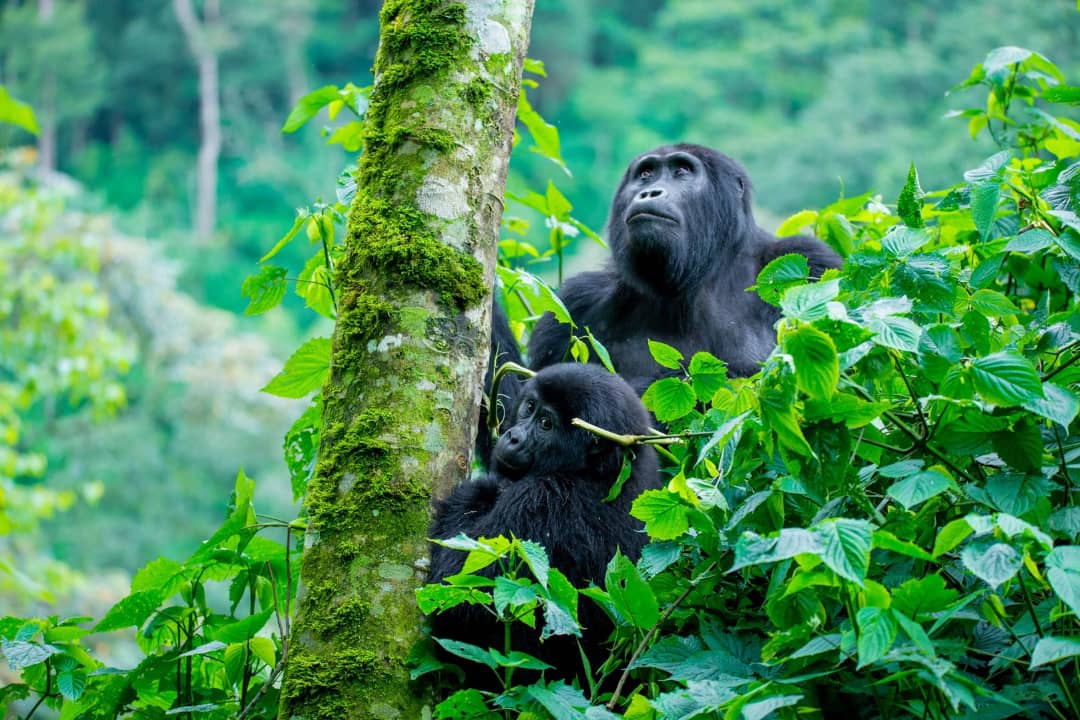
What is the difference between gorilla habituation and gorilla trekking? Although gorilla habituation and gorilla trekking both involve entering the forests of Uganda to observe mountain gorillas, they are not the same experience. The biggest difference is the type of gorilla group you visit, the purpose of the activity, and the amount of time you are allowed to spend observing the animals. Standard gorilla trekking involves visiting a gorilla family that has already become accustomed to the presence of humans, while gorilla habituation involves spending time with a gorilla group that is still becoming familiar with human observers.
For many travellers, the difference becomes particularly important when deciding which experience is worth the higher permit cost. A normal gorilla trek is primarily designed to allow visitors to find and observe a habituated gorilla family in its natural environment. Gorilla habituation, on the other hand, provides a more extended and research-oriented experience in which visitors accompany trackers, researchers, and habituators while the gorilla group continues to adjust to controlled human presence.
Gorilla trekking is focused on finding a habituated gorilla Family
During a standard gorilla trekking experience in Uganda, visitors enter the forest with guides, trackers, and park staff in search of a gorilla family that has already been habituated. The gorillas are therefore accustomed to seeing people and can continue their normal activities while visitors observe them from a regulated distance.
The trek itself can be physically demanding because mountain gorillas do not remain in one location. They move through the forest in search of food, rest, and suitable places to spend the day. Trackers normally go ahead of the trekking group to determine where the gorillas have moved, while guides lead visitors through the forest toward the family.
Once the gorilla family is located, visitors are given a limited period in which they can observe the animals, take photographs and watch their behaviour. This is one of the most remarkable aspects of ordinary gorilla trekking because the encounter can still feel extremely intimate despite the strict conservation rules governing the interaction.
The fact that the gorillas are already habituated makes the standard trek more predictable from a visitor-management perspective. You are visiting a family that has already gone through a longer process of becoming accustomed to human observers, rather than participating in that process yourself.
Gorilla habituation is a longer and more immersive experience
The Gorilla Habituation Experience is different because the gorilla group is still undergoing habituation. In simple terms, habituation is the gradual process through which wild gorillas become accustomed to the presence of humans without being forced to change their natural behaviour.
This means that the purpose of the experience is not simply to locate a gorilla family and spend a short period watching it. Instead, visitors accompany researchers and trackers who are involved in the ongoing habituation process. You can observe how the gorillas respond to people, how individual animals interact with one another, and how the research team gradually builds familiarity with the group.
The experience can therefore feel less like a conventional wildlife viewing activity and more like an opportunity to witness conservation work taking place in the forest.
One of the major attractions is the amount of time available with the gorillas. A Gorilla Habituation Experience can allow visitors up to four hours with the gorilla group once it has been located, compared with the shorter viewing period associated with standard gorilla trekking. The actual length of the entire forest experience can vary because finding the gorillas and following them through dense terrain takes time.
This additional time can make a significant difference. Instead of feeling that you have just arrived, taken a few photographs, and suddenly need to leave, habituation gives you more opportunity to sit quietly and watch the group. You may see gorillas feeding, resting, moving through vegetation, interacting with younger members of the family, or responding to one another.
The purpose of the two experiences is different
Another important difference between gorilla habituation and gorilla trekking is the purpose behind each activity.
Gorilla trekking is primarily a regulated wildlife tourism experience. Its purpose is to allow visitors to observe mountain gorillas while generating tourism revenue that supports conservation and the communities surrounding the national park.
Gorilla habituation has a stronger research and conservation component. The gorillas involved are still becoming accustomed to human presence, and the researchers and habituators carefully monitor their behaviour during this process.
This distinction is important because habituation is not simply a more expensive version of gorilla trekking. It is a unique experience designed around a different stage in the relationship between the gorilla group and human observers.
For someone who is particularly interested in gorilla behaviour, conservation and primatology, this can make habituation much more rewarding than a conventional trek.
You spend more time observing gorilla behaviour
The additional time available during habituation can also change the way you experience the gorillas.
During a normal trek, you might spend your viewing period trying to make the most of every minute. You may concentrate on photographing the silverback, watching a mother with her infant, or observing the interaction between original members of the family.
With habituation, there is more opportunity to slow down and observe.
You may notice details that would be easy to miss during a shorter encounter. A gorilla might spend several minutes feeding in one location, move through the vegetation, sit down to rest, and later interact with another member of the group. Because you have more time, the experience becomes less about capturing a single memorable photograph and more about understanding the behaviour of the animals.
This is particularly valuable for photographers, wildlife enthusiasts, researchers, and travellers who have already experienced standard gorilla trekking and want something deeper.
Gorilla Habituation vs Gorilla Trekking: Cost, Time, and Location
The difference between gorilla habituation and gorilla trekking becomes much clearer when you compare the two experiences in terms of permit cost, time spent with the gorillas, and where each activity takes place. Although both experiences involve tracking mountain gorillas through Uganda’s forests, they are designed differently and therefore have different prices, viewing periods, and location options.
| Feature | Gorilla Trekking | Gorilla Habituation |
|---|---|---|
| Permit cost for foreign non-residents | US$800 | US$1,500 |
| Time with gorillas | Up to 1 hour | Up to 4 hours |
| Main purpose | Observe an already habituated gorilla family | Experience a gorilla group undergoing habituation |
| Uganda locations | Bwindi & Mgahinga | Bwindi |
| Bwindi sectors | Buhoma, Ruhija, Rushaga & Nkuringo | Primarily associated with Rushaga |
| Experience style | Wildlife viewing | Wildlife viewing + habituation/research experience |
| Best suited for | First-time visitors and travellers wanting a shorter experience | Photographers, primate enthusiasts, researchers and repeat trekkers |
Cost Difference
One of the first differences travellers notice is the price of the permit. Under the published Uganda Wildlife Authority tariff, a standard gorilla trekking permit for a foreign non-resident costs US$800 per person, while a Gorilla Habituation permit costs US$1,500 per person. This makes habituation US$700 more expensive under the applicable US$1,500 tariff.
The higher cost is largely connected to the nature of the experience. Gorilla habituation provides a considerably longer period of observation and involves visitors accompanying the habituation process rather than simply visiting a fully habituated family.
It is worth remembering that these are permit prices, not the total cost of a safari. Accommodation, transportation, meals, guide services, transfers and optional porter services can all affect the final price of a Uganda gorilla safari.
Difference in Time Spent With the Gorillas
The amount of time spent with the gorillas is probably the biggest practical difference.
During standard gorilla trekking, visitors are generally allowed up to one hour with the gorilla family once it has been located. The trek itself can take considerably longer because the family may be some distance from the trailhead and can move through the forest during the day.
With gorilla habituation, visitors can spend up to four hours with the gorilla group once it has been located. This additional time gives participants a much greater opportunity to observe behaviour rather than simply experiencing a brief encounter.
However, the four hours should not be interpreted as four hours from the moment you leave the lodge. The entire habituation activity can take much longer because you have to walk through the forest, locate the gorillas, and follow their movements.
Differences in Regions and Gorilla Sectors
There is also an important geographical difference.
Uganda has two mountain gorilla destinations: Bwindi Impenetrable National Park and Mgahinga Gorilla National Park. Standard gorilla trekking is available in both parks.
Bwindi is divided into four main tourism sectors: Buhoma, Ruhija, Rushaga, and Nkuringo. This means travellers doing standard gorilla trekking have several areas from which to choose, depending on permit availability and the gorilla family assigned to them.
Gorilla habituation is different. The experience is associated with Bwindi, particularly the Rushaga sector in southern Bwindi. Therefore, if your main purpose is gorilla habituation, you should plan your itinerary around southern Bwindi rather than choosing any gorilla sector simply because it is available.
This geographical distinction is also important when planning transportation and accommodation. Someone doing standard trekking may choose Buhoma, Ruhija, Rushaga, or Nkuringo depending on their permit, whereas someone booking habituation needs to consider the specific location where the habituation experience is operating.
Which experience takes longer?
The answer depends on whether you mean time with the gorillas or the entire trekking day.
Gorilla habituation clearly provides more time with the gorillas, with up to four hours of viewing after the group has been located. But both activities can involve several hours of walking because mountain gorillas are wild animals and do not remain in one fixed location.
A standard trek can sometimes be surprisingly long if the gorilla family has moved deep into the forest. Likewise, a habituation group may require considerable effort to locate and follow.
Therefore, choosing habituation should not be based on the assumption that you will simply walk for a short time and then sit with gorillas for four hours. It is a full forest experience, and you should be prepared for challenging terrain and changing conditions.
Which is better: gorilla habituation or gorilla trekking?
Neither experience is universally better. The better choice depends on what you want from your Uganda safari.
If your priority is seeing mountain gorillas for the first time, standard trekking is likely to be sufficient. You get the excitement of tracking a habituated family through Bwindi or Mgahinga and then observing them at close range during the regulated viewing period.
If your priority is spending more time observing gorilla behaviour, photography, conservation, and a deeper understanding of the habituation process, then Gorilla Habituation is the stronger choice.
The extra US$700 for a foreign non-resident under the US$1,500 tariff is essentially paying for a different type of experience, not simply paying for a longer version of the same trek.
The Simple Way to Remember the Difference
Think of it this way:
Gorilla trekking: US$800 → up to 1 hour → Bwindi or Mgahinga → habituated gorilla family.
Gorilla Habituation: US$1,500 → up to 4 hours → Bwindi/Rushaga → gorilla group undergoing habituation.
That simple comparison makes it much easier to decide which experience fits your interests, budget, and available time.
Gorilla Habituation vs Gorilla Trekking: Which One Should You Choose?
The right choice depends largely on what you want from your gorilla experience.
If this is your first visit to Uganda and you simply want the opportunity to see mountain gorillas in the wild, standard gorilla trekking is an excellent choice. It is shorter and less expensive than habituation and gives you an unforgettable opportunity to enter the forest and spend time with a habituated gorilla family.
However, if you want to spend substantially more time observing the gorillas and are particularly interested in their behaviour and conservation, Gorilla Habituation may be the better option. The experience provides a much longer encounter and allows you to observe a gorilla group that is still becoming accustomed to human presence.
The difference can be summarized simply: gorilla trekking is about visiting habituated gorillas, while gorilla habituation allows you to experience a part of the process through which gorillas become accustomed to human observers.
Is Gorilla Habituation Worth It Compared to Gorilla Trekking?
For travellers who are mainly interested in seeing a gorilla once, standard trekking may provide everything they need. You still enter the ancient forest, walk through challenging terrain, and come face-to-face with one of the world’s most remarkable primates.
But for someone who considers the gorilla encounter the main purpose of their Uganda safari, habituation offers a considerably deeper experience. Having more time in the forest means you are not relying on a short viewing period to understand the group. You have more time to observe natural behaviour and appreciate the work of the trackers and researchers accompanying you.
It is also important to remember that gorilla habituation is not guaranteed to be easier simply because you have more viewing time. You still have to walk through Bwindi’s rugged terrain, and the gorillas may be deep in the forest or move considerable distances during the day. The experience therefore requires patience, reasonable fitness, and an appreciation for the unpredictability of wildlife.
For this reason, I would recommend habituation particularly to travellers who are willing to spend more time and money for a deeper wildlife and conservation experience, rather than simply looking for the quickest way to see gorillas.
Final Answer: What is the difference between gorilla habituation and gorilla trekking?
If you are still deciding between the two, think of it this way:
Gorilla trekking: You track a habituated gorilla family and receive a shorter, regulated viewing experience.
Gorilla Habituation: You spend a much longer period with a gorilla group that is still being habituated, alongside the people involved in the conservation and research process.
Both experiences take you into the extraordinary environment of Bwindi Impenetrable National Park, but they offer two different ways of experiencing Uganda’s mountain gorillas.