
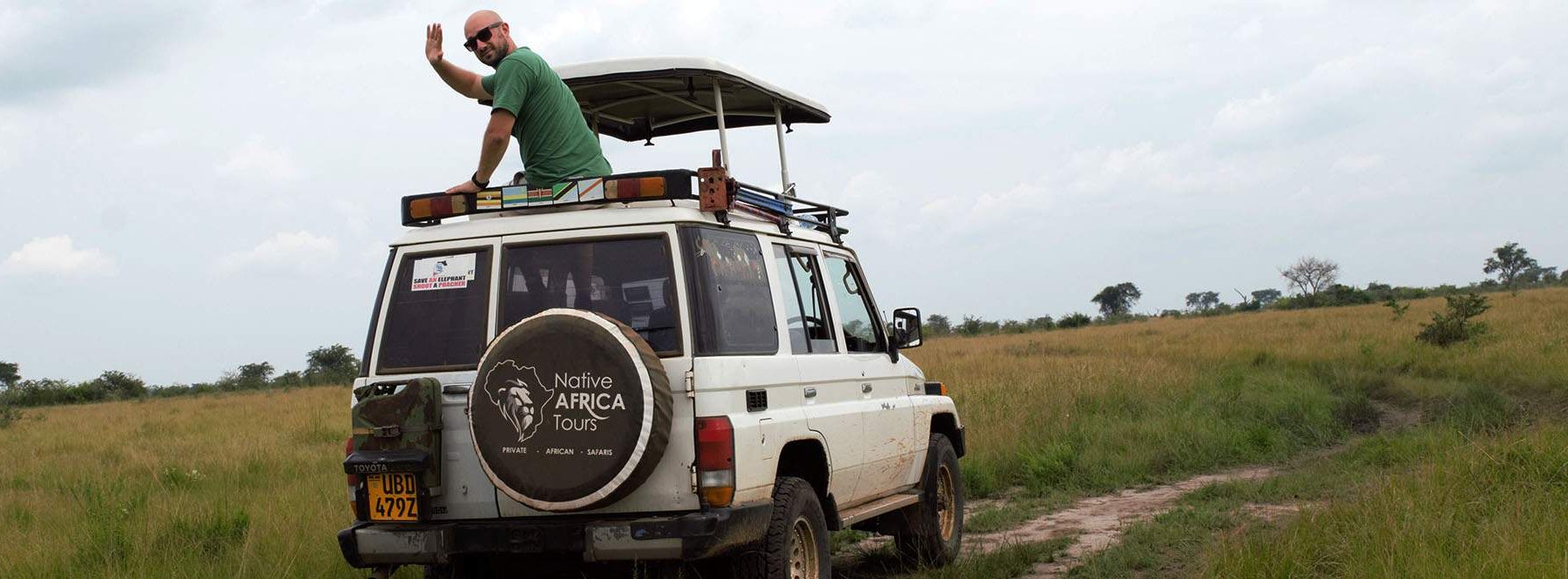
Yes! Though there are rumors of insecurity, diseases and others, this is one of the finest safari destinations on earth. When dealing with a genuine tour operator, be rest assured of a safe and rewarding safari experience on earth. The cities, national parks and communities are extremely secure and safe for travelers.
Best Time To Take A Safari in Africa
When you are set, any day of the year is perfect for you to visit the East and central part of Africa. Birding watching and photography are best done in rainy months – March to May and October to November, whereas the rest of the months are best for trekking adventures including hiking, primate trekking, cultural tours and more. Most of the destinations are dry from June to September and late December to February.
Packing List
Your safari shouldn’t be one that over demands, regardless of how long it will last. Carry only what is essential for the activities to be done, and the rest can be acquired from the host country. The backpack must comprise of good hiking boots, professional camera, long-sleeved shirts, trousers, binoculars, gloves and more.
Make lifetime memories by visiting Uganda, Rwanda, Tanzania, Kenya and Democratic Republic of Congo. The destinations are unique, safe and gifted, and each of your days gets to be memorable with our tailor-made offers.
A detailed introduction to Is Africa Safe?
Is Africa Safe? is best understood as more than a name on an itinerary. It is a practical way to experience East Africa through an East African journey, supported by local guiding and enough time to notice landscapes, wildlife, local knowledge and the rhythm of travel between carefully chosen stops. The page above explains the central subject; this planning section adds the decisions that turn that information into a workable trip. Travellers should think about the season, the length of each transfer, the amount of activity they enjoy, the standard of accommodation they prefer and how much unstructured time they want. Careful sequencing matters because driving time, trail conditions and wildlife movement all shape the day. In East Africa, conditions can change between regions even during the same journey, so a route should be checked as a complete sequence rather than as a list of separate attractions. Start with the experience that matters most, then build transport, rest and secondary visits around it. That approach keeps Is Africa Safe? rewarding for first-time visitors, experienced safari travellers, couples, families and private groups with different interests. For independent protected-area and conservation context, consult UNESCO World Heritage Centre and confirm operational details again near the travel date.
How to plan the timing and route
Timing for Is Africa Safe? is not only a question of choosing a month. It also involves arrival time, road or flight connections, permit availability where controlled activities are included, and the realistic pace of each day. Dry periods can make some roads and trails easier, while greener months may bring dramatic skies, fresh vegetation and fewer visitors in certain areas. Rain can occur in any season, particularly around forests and highlands, so flexibility remains useful. A local planner should confirm current park rules and access before final payment because official conditions can change. Use the East Africa safari collection to compare journeys in the same region, then review the complete safari collection if you may want to combine countries. Arriving a night before a major trek or long game-drive day is often more comfortable than connecting directly from an international flight. When the route covers several borders, build in sensible buffers and avoid treating every transfer as guaranteed to take the shortest possible time.
What the experience may feel like
The character of Is Africa Safe? comes from landscapes, wildlife, local knowledge and the rhythm of travel between carefully chosen stops. Some moments are active and focused, while others are quiet: listening to a guide, waiting for wildlife to move, watching light change across the landscape or sharing a meal after a long day. A private journey makes it easier to adjust stops and explanations to the group, although protected-area rules, ranger instructions and safety limits always take priority. Guides read tracks, weather, vegetation, road conditions and animal behaviour, then explain what those clues mean without promising a sighting that nature cannot guarantee. Travellers get more from an East African journey when they ask questions and allow time for observation rather than concentrating only on photographs. The route may include early starts, uneven ground or extended drives, depending on the subject, but these can be balanced with breaks and well-placed nights. Browse the signature experiences to see how different activities can complement one another, especially when one person wants primates and another prefers landscapes, birds, culture or classic wildlife.
Connections and related journey ideas
One useful way to develop Is Africa Safe? is to compare it with routes that share a destination, activity or travel style. Relevant options in the Gorilla Uganda collection include A trip to East Africa?, Why Travel With Us?, Cultural Safaris, Best Uganda Gorilla Trekking Safaris, Congo and Rwanda Gorilla Tours, Gorilla Trekking Safaris. These links are not a fixed package list; they show different ways of arranging time, transport and focus. A short journey can work well as an extension to a business trip or a longer holiday, while a multi-country safari needs more attention to border procedures, luggage planning and rest. Combining forest and savannah creates variety, and adding a lake, coast or cultural stop can soften the pace after demanding activity. The best connection depends on where the traveller enters East Africa and what must remain non-negotiable. If Is Africa Safe? is the main reason for travelling, secure its essential logistics first. Then use nearby experiences to create depth rather than adding distant places only to increase the number of names on the itinerary.
Accommodation, meals and daily pace
Accommodation should support the route rather than distract from it. For Is Africa Safe?, location may matter as much as room category: a lodge close to an activity can reduce an early transfer, while a more remote property may offer privacy, views and a stronger wilderness atmosphere. Budget, mid-range and luxury labels are helpful starting points, but they do not describe every difference in access, service, power supply, meal timing or room layout. Families may need adjoining rooms and flexible menus; couples may value privacy; photographers may prefer easy access for early departures; and older travellers may need fewer steps or rooms near shared areas. Discuss dietary needs before arrival and carry personal essentials on transfer days. A balanced schedule leaves time to check in, eat properly, prepare equipment and rest. On longer routes, alternating intensive days with gentler drives or community visits often makes the whole journey more enjoyable than maintaining the same demanding pace from beginning to end.
Further planning resources for Is Africa Safe?
For independent destination and conservation context, consult IUCN conservation resources. Use official sources for general background and confirm current fees, access, schedules, permits and operating rules for the exact travel dates before payment. Internal Gorilla Uganda pages help compare route structure and travel style, while the open inquiry form allows a local specialist to check how the information applies to a private journey.