
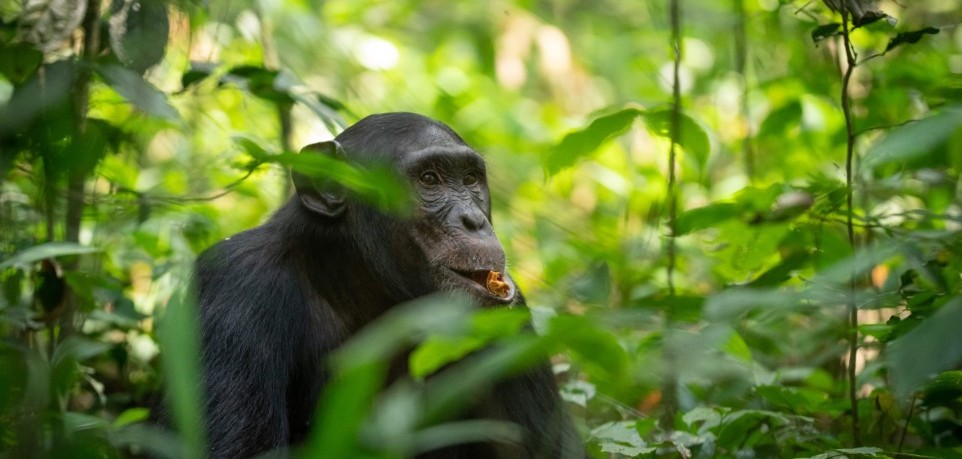
Chimpanzee tracking in Kibale National Park
Chimpanzee tracking is the main activity carried out in Kibale National Park, the western part of the pearl of Africa Uganda. The park is home to over 20 habituated chimpanzee groups that live together with other wildlife species like birds, butterflies, and other mammal species. Kibale National Park covers an area of 795 square kilometres but there is a lot to discover. Chimpanzee tracking is an activity that allows visitors to spend an hour in the presence of chimpanzees while learning their behaviors and taking photos.
Kibale Forest National Park was established in 1995 to protect a lush forest and its inhabitants and since then, it has been the main spot for chimpanzees and is known as the primate capital of the world with 13 primates. It’s ranked as the best destination in East Africa to trek chimpanzees, the human’s closest relatives with up to 98% similar DNA. Kibale is close to Semliki National Park, Rwenzori Mountains National Park, and Queen Elizabeth National Park.
This activity can either be done in the morning at 08:00 hours or afternoon at 14:00 hours. Visitors interested in taking part in chimpanzee tracking are required to acquire a chimpanzee tracking permit which can be bought through a recognized safari company or directly from Uganda Wildlife Authority offices in Kampala. Each permit costs USD 200 for foreigners and 150,000 UGX for East African community members. Visiting chimpanzees is in high demand and this calls for booking in advance.
Trekking starts at Kanyanchu Information Centre with a briefing that covers different aspects like what to do while in the forest, what to expect, and the time to spend as you take the experience. The park ranger guide well-armed will take trekkers into the forest to start the search for chimpanzees. Interestingly, chimpanzee tracking in Kibale National Park doesn’t require walking long distances to locate chimpanzees and this means that there is a guarantee of over 98% chance of spotting them. chimpanzees can see people before you see them which means that they are so observant.
Chimpanzees are more active than gorillas which are gentle giants and therefore trekkers should expect to find them more active as they jump from one tree to another. They normally do daily activities like looking for food, mating, and grooming each other. Each chimpanzee has a unique trait like human beings for example being shy, stubborn, quiet, and many more. These primates love staying in trees which will lead to neck pains since you will stretch your eyes up the forest trees.
After the trekking experience, trekkers are rewarded with a certificate of appreciation and then one can opt to take other activities such as visiting the neighboring community in Isunga or Bigodi communities. This offers great community walking trails where you will spot different attractions such as tea estates, coffee plantations, crater lakes like Lake Nyabikere, homestead setups, and different food crops that are grown in the community. Other activities include bird watching, butterflying, crater lake explorations, Bigodi swamp walks, sport biking, Boda Boda adventures, nature walks, and much more.
The best time to do chimpanzee tracking in Kibale National Park
Like any country located along the equator line, Uganda has two rainy and dry seasons. The rainy season happens from March-April-May and October-November. The dry season happens from December to early March and June-July-August-September. The truth remains that the best time to visit chimpanzees depends on the visitor’s choice. During the dry season, there is a large flow of visitors in the country which requires booking. In the wet season, the flow of tourists in the country tends to drop.
A detailed introduction to Chimpanzee tracking in Kibale National Park
Chimpanzee tracking in Kibale National Park is best understood as more than a name on an itinerary. It is a practical way to experience Kibale Forest National Park through chimpanzee trekking, supported by local guiding and enough time to notice forest trails, primate behaviour and the changing sounds of a tropical canopy. The page above explains the central subject; this planning section adds the decisions that turn that information into a workable trip. Travellers should think about the season, the length of each transfer, the amount of activity they enjoy, the standard of accommodation they prefer and how much unstructured time they want. A good plan protects the quality of the experience without making the journey feel rigid. In Uganda, conditions can change between regions even during the same journey, so a route should be checked as a complete sequence rather than as a list of separate attractions. Start with the experience that matters most, then build transport, rest and secondary visits around it. That approach keeps Chimpanzee tracking in Kibale National Park rewarding for first-time visitors, experienced safari travellers, couples, families and private groups with different interests. For independent protected-area and conservation context, consult Uganda Wildlife Authority and confirm operational details again near the travel date.
How to plan the timing and route
Timing for Chimpanzee tracking in Kibale National Park is not only a question of choosing a month. It also involves arrival time, road or flight connections, permit availability where controlled activities are included, and the realistic pace of each day. Dry periods can make some roads and trails easier, while greener months may bring dramatic skies, fresh vegetation and fewer visitors in certain areas. Rain can occur in any season, particularly around forests and highlands, so flexibility remains useful. A local planner should confirm current park rules and access before final payment because official conditions can change. Use the Uganda safari collection to compare journeys in the same region, then review the complete safari collection if you may want to combine countries. Arriving a night before a major trek or long game-drive day is often more comfortable than connecting directly from an international flight. When the route covers several borders, build in sensible buffers and avoid treating every transfer as guaranteed to take the shortest possible time.
What the experience may feel like
The character of Chimpanzee tracking in Kibale National Park comes from forest trails, primate behaviour and the changing sounds of a tropical canopy. Some moments are active and focused, while others are quiet: listening to a guide, waiting for wildlife to move, watching light change across the landscape or sharing a meal after a long day. A private journey makes it easier to adjust stops and explanations to the group, although protected-area rules, ranger instructions and safety limits always take priority. Guides read tracks, weather, vegetation, road conditions and animal behaviour, then explain what those clues mean without promising a sighting that nature cannot guarantee. Travellers get more from chimpanzee trekking when they ask questions and allow time for observation rather than concentrating only on photographs. The route may include early starts, uneven ground or extended drives, depending on the subject, but these can be balanced with breaks and well-placed nights. Browse the signature experiences to see how different activities can complement one another, especially when one person wants primates and another prefers landscapes, birds, culture or classic wildlife.