Choosing a reliable Uganda safari tour operator is one of the most important decisions you will make when planning a safari in East Africa. The company you choose can affect almost every part of your journey, from securing gorilla trekking permits and selecting suitable accommodation to arranging experienced guides, reliable transport, and realistic travel schedules. Before booking, take time to compare operators, verify their credentials, and understand exactly what their safari packages include. If you are planning a gorilla trekking holiday, wildlife safari, or a combined Uganda and Rwanda adventure, Native Africa Tours can help you explore the available options and plan a journey around your interests, schedule, and budget.
Uganda offers a remarkable range of experiences, including mountain gorilla trekking in Bwindi Impenetrable National Park, chimpanzee tracking in Kibale Forest, wildlife viewing in Queen Elizabeth National Park and Murchison Falls National Park, and boat trips along some of the country’s most scenic waterways. However, these experiences are spread across different regions, and travelling between them requires careful planning. A safari operator should understand not only the attractions you want to visit but also the distances, road conditions, activity schedules, permit requirements and practical details that make the itinerary work.
The challenge is that safari companies can look very similar online. Many display beautiful photographs, promise personalised service and advertise exciting itineraries. A professional-looking website alone cannot establish whether a company is licensed, whether its prices are transparent or whether it can deliver the arrangements described in its proposal. The most reliable approach is to look beyond marketing and assess the evidence behind each company’s promises.
This guide explains how to evaluate a Uganda safari tour operator, what questions to ask before paying a deposit, which warning signs deserve attention, and how to compare safari packages fairly.
1. Verify the Company’s Registration and Tourism Credentials
Before discussing accommodation or choosing your preferred gorilla trekking date, establish who will actually organise your safari. A legitimate business should be willing to explain its legal identity, provide consistent contact information, and show evidence of the relevant tourism credentials.
In Uganda, the Uganda Tourism Board (UTB) maintains a public directory of licensed tourism companies. Travellers can use the official UTB Licensed Tour Companies directory to search for an operator by its trading name. Check that the company you are communicating with matches the business listed in the directory. Pay attention to the spelling of the name and ask the company to clarify any difference between its website name, trading name, and registered legal name.
This distinction matters because a website brand and a registered company name are not always identical. A business might trade under one name while its legal documents use another. That arrangement is not automatically suspicious, but the operator should explain it clearly and provide information that allows you to verify the relationship.
For a gorilla or chimpanzee trekking safari, permit arrangements deserve additional attention. Uganda Wildlife Authority (UWA) manages these activities and has published guidance stating that foreign non-resident tracking permits are purchased through tour operators licensed by UTB. Its official gorilla and chimpanzee tracking guidelines explain the permit reservation and purchasing procedures.
Do not rely solely on a logo displayed on a company’s website. Ask for the operator’s current credentials and verify them independently where possible. You should also establish which company will receive your payment, issue your invoice, and remain responsible for your safari.
A useful first question is: “Could you share your registered business name and current tourism licence details so I can verify them?” A professional operator should understand why a traveller would want this information.
2. Look for Real Knowledge of Uganda’s Safari Destinations
A reliable Uganda safari tour operator should do more than sell a standard itinerary. It should understand the destinations, explain the differences between them, and help you decide which experiences fit your available time.
For example, travellers interested in mountain gorillas generally consider Bwindi Impenetrable National Park or Mgahinga Gorilla National Park. Bwindi has four main trekking sectors: Buhoma, Ruhija, Rushaga and Nkuringo. These sectors have different access routes and accommodation options, so the location of your lodge can affect your travel arrangements on trekking day.
The same principle applies to wildlife safaris. Queen Elizabeth National Park is known for game drives and boat trips on the Kazinga Channel, while Murchison Falls National Park combines wildlife viewing with the Nile and the powerful Murchison Falls. Kibale Forest is a major destination for chimpanzee tracking. A well-informed operator should explain how these places differ rather than simply adding as many destinations as possible to your programme.
Ask why the company has recommended a particular route. If you want to combine gorilla trekking with wildlife viewing, for instance, the operator should explain how the selected parks fit together, how much time you will spend travelling and whether the proposed number of nights is sufficient.
A useful itinerary also takes your personal circumstances into account. Travellers with limited time may benefit from domestic flights on suitable routes, while those with more time may prefer a road safari that allows additional stops along the way. Families, older travellers, photographers and birdwatchers may also need different pacing and activities.
Local knowledge is demonstrated through the quality of the advice, not merely through a list of destinations. A dependable operator should be able to explain the reasoning behind its recommendations and suggest sensible alternatives when your original plan is impractical.
3. Confirm Gorilla and Chimpanzee Permit Arrangements
If gorilla trekking or chimpanzee tracking is central to your trip, permit handling should be one of your highest priorities. These activities have controlled visitor numbers, and the dates you want may not always be available. Your safari itinerary should therefore be designed around confirmed activity arrangements rather than an assumption that permits can be obtained later.
Ask the operator whether the permit is included in the quoted price, which date and activity it covers, which national park or trekking sector is involved, and what documentation you will receive after booking. You should also understand the payment requirements, cancellation terms, and procedures that apply if you request a change.
For gorilla trekking in Bwindi, the sector matters because it affects where you should stay and how you reach the briefing point. The Gorilla Habituation Experience is conducted in the Rushaga sector of Bwindi, so travellers interested in this activity should make sure their itinerary reflects the correct location.
It is also important to distinguish between a permit reservation and a confirmed permit. Ask the company to explain the current status of your booking and provide official confirmation or relevant documentation when available. If you are travelling during a busy period, do not assume that a date mentioned in an initial quotation is automatically secured.
You can cross-check general information and published guidance through the official Uganda Wildlife Authority website. Because permit tariffs and procedures can change, check the current official information when planning your trip rather than relying on an old blog post or an outdated quotation.
A trustworthy operator should be transparent about what it has confirmed, what remains pending, and what you need to do next. Be cautious if a company makes sweeping promises about permit availability without checking your dates or cannot explain how the booking process works.
4. Evaluate the Guide’s Experience and Responsibilities
Your safari guide will often be the person you spend the most time with during the journey. The guide can influence how much you learn about Uganda’s wildlife, landscapes, history, and communities, as well as how smoothly the daily arrangements run.
Ask what kind of guide will accompany you and whether that person will also serve as your driver. Many Uganda safaris use a driver-guide arrangement, while some specialist trips may involve additional guides or activity-specific personnel. Neither arrangement is automatically better; what matters is whether it suits your itinerary and whether responsibilities are clearly explained.
For a wildlife-focused safari, a good guide should be able to discuss animal behaviour, habitat, birdlife and conservation in a way that makes the experience more meaningful. For a gorilla trekking trip, the guide should explain the road journey and local arrangements, while the official park briefing and trek itself are conducted according to the relevant park procedures and ranger guidance.
You can ask the operator about guide training, language ability, experience in the parks you plan to visit, and how guide assignments are confirmed. If you require a French-speaking guide or another specific language, raise this before booking rather than assuming it will be available.
It is also reasonable to ask how the company handles a guide becoming unavailable due to illness or another unexpected circumstance. A professional operator should have a practical approach to continuity and communicate any significant change to you.
5. Inspect the Safari Vehicle and Transport Arrangements
Transport is a major part of many Uganda safaris. Depending on your itinerary, you may spend several hours travelling between towns, national parks, forests and lodges. A suitable vehicle can make those journeys more comfortable and help the trip run according to plan.
Ask whether the safari is private or shared, how many passengers will travel in the vehicle and whether everyone will have adequate space for luggage. If wildlife viewing is a priority, ask whether the vehicle is designed for safari use and whether it has appropriate viewing arrangements. Four-wheel drive is advisable for many park routes, although actual requirements depend on the destination, season and road conditions.
The company should be able to explain the type of vehicle it normally provides and whether the quoted arrangement guarantees a particular vehicle or only a vehicle category. If you have mobility requirements, substantial camera equipment or extra luggage, mention this when requesting a quotation.
Do not judge a safari vehicle by its appearance alone. Ask practical questions about maintenance, seat belts, air conditioning where relevant and what happens if the vehicle develops a mechanical problem during the trip. For longer safaris, a sensible contingency plan matters.
A reliable operator should also be realistic about driving times. Journey durations can vary with traffic, road works, weather and road conditions, especially when travelling to remote areas. An itinerary that leaves no margin for delays may create unnecessary pressure on both travellers and the guide.
6. Compare Itineraries, Not Just the Number of Days
Two safari packages can both advertise eight days while offering very different experiences. One might allow time for relaxed game drives and meaningful stays in each destination, while another could involve long road transfers and brief stops at several locations.
Read the daily programme carefully. Check where each day begins and ends, which activities are planned, how long the transfers may take, and whether the schedule allows you to enjoy each destination. A good operator should be able to explain why the route has been arranged in that order.
Consider a traveller who wants to visit Murchison Falls, Kibale Forest, Queen Elizabeth National Park and Bwindi. These destinations can form part of a wider Uganda itinerary, but their order and the amount of time allocated to each place need careful consideration. Gorilla trekking, chimpanzee tracking and scheduled game drives each have their own timing requirements. Simply listing all four destinations does not establish that the proposed programme is comfortable or realistic.
Ask whether the itinerary includes time for meals, rest, check-in and check-out, and any necessary early starts. If a domestic flight is proposed, clarify baggage allowances, transfers to and from the airstrip, and how the flight fits into the overall schedule.
A reliable operator should also be prepared to explain what can reasonably be achieved within your budget and time frame. If your preferred itinerary is too rushed, a thoughtful company will explain the trade-offs and suggest alternatives rather than promising everything without qualification.
7. Understand Exactly What the Safari Price Includes
Price is important, but the lowest quotation is not necessarily the best value. Safari packages may differ in accommodation standards, permit arrangements, vehicle type, meals, activities, guide services, and other inclusions. Comparing the final totals without examining these details can be misleading.
Request a written quotation that separates the major elements of the package. It should identify the accommodation or clearly state the proposed category, explain whether gorilla and chimpanzee permits are included, and list the transport, meals, park fees, and activities covered by the price.
You should also check what is excluded. Depending on the package, exclusions may include international flights, visas, travel insurance, tips, drinks, optional activities, some meals, or bank and payment processing charges. Do not assume that an item is included simply because it is normally part of another company’s package.
If two operators quote substantially different prices for similar itineraries, ask them to explain the difference. One company might be using a more basic lodge, while another may include additional activities or a different transport arrangement. The difference may be reasonable, but you should be able to understand it before committing.
Be cautious of quotations that remain vague after you ask for clarification. A professional company should be able to tell you what you are paying for and explain any additional charges that may apply.
A practical safari quotation comparison
| Item to compare | What to confirm |
|---|---|
| Permits and park fees | Which permits and entrance fees are included |
| Accommodation | Property names, room category and meal plan |
| Transport | Private or shared vehicle, transfers and domestic flights |
| Guide services | Guiding arrangement and language requirements |
| Meals and activities | Meals, boat trips, game drives and other included activities |
| Exclusions | Tips, drinks, insurance, visas and optional experiences |
| Payment terms | Deposit, balance deadline and accepted payment methods |
| Cancellation terms | Refund conditions, changes and permit-specific restrictions |
The aim is not necessarily to select the cheapest offer. It is to identify the package that gives you the right combination of reliability, comfort, activities and value for your travel budget.
8. Research Independent Reviews and Traveller Experiences
Reviews can help you understand how a safari company performs after a booking has been made. Look beyond the overall rating and read the details of individual experiences.
Focus on comments about communication, the accuracy of the itinerary, guide quality, accommodation, vehicle condition and how the operator handled unexpected changes. Reviews describing specific experiences can be more useful than brief comments that simply say the trip was excellent.
Where possible, compare feedback across independent platforms such as TripAdvisor, Google and SafariBookings. Look for consistency over time rather than basing your decision on one particularly positive or negative review. Recent reviews may be especially helpful for understanding current service, while older reviews can provide context about the company’s history.
Pay attention to how the company responds to criticism. A professional response should address the concern respectfully and explain what can be clarified, without attacking the reviewer. No single review should automatically determine your decision, but repeated complaints about the same issue deserve attention.
You can also ask whether the company can share examples of comparable itineraries or explain how it handles guest feedback. Respect travellers’ privacy, and do not expect a company to disclose another client’s personal information.
Reviews are one part of the decision, not a substitute for checking credentials, written terms and the details of your proposed safari.
9. Check Communication Before You Pay
The quality of communication during the planning stage often gives you a useful indication of how the company manages its work. A reliable operator should answer reasonable questions, explain its recommendations and provide written information that you can review at your own pace.
Notice whether the company listens to your priorities. If you explain that you are travelling with children, prefer midrange accommodation, need a French-speaking guide or want to spend more time photographing wildlife, the proposal should reflect those details.
You should not have to repeatedly ask for basic information about the itinerary, accommodation, inclusions or payment arrangements. Equally, a professional operator should be honest when it needs time to check permit availability, confirm a lodge, or verify a flight schedule.
Before paying, make sure you have the company’s full contact details and understand who will be responsible for assisting you during the safari. Ask how you can reach the team if a flight is delayed, a transfer changes, or an urgent issue arises while you are travelling.
Clear communication does not mean that every part of a trip can be guaranteed. Wildlife sightings, weather and road conditions are not fully controllable. What matters is that the operator sets realistic expectations and communicates promptly when arrangements need to change.
10. Understand the Booking Contract, Payments and Cancellation Terms
Before sending money, read the booking terms carefully. A written agreement or detailed booking confirmation should explain the services being purchased, the total cost, the payment schedule, the cancellation policy, and the conditions that apply if either party needs to make changes.
Confirm the exact business or account name receiving your payment. If payment is requested through a third party or an account with a different name, ask for an explanation and verify the arrangement directly with the company using its established contact details.
Use the payment method agreed with the operator and retain receipts, invoices and booking correspondence. If card or online payment processing fees apply, ask whether these are included in the quoted amount or charged separately. For bank transfers, confirm the currency, recipient details and any relevant transfer charges before proceeding.
Gorilla and chimpanzee permits can have specific booking and cancellation conditions, so do not assume that a permit payment is refundable under the same terms as accommodation. Ask what happens if you cancel the trip, change your trekking date, or cannot travel because of circumstances outside your control.
Travel insurance is also worth considering. Check whether your policy covers the activities you plan to undertake, medical expenses, evacuation, trip interruption, and other relevant risks. The exact cover depends on the policy, so read its exclusions rather than relying on a general promise that you are insured.
Be wary of pressure to make an immediate payment without a clear quotation, verifiable company identity, or written terms. Genuine availability constraints can exist, especially for permits and popular lodges, but they should not prevent you from understanding what you are purchasing.
11. Assess the Accommodation Before Confirming the Safari
Accommodation can significantly affect the comfort, pace, and cost of your trip. Uganda offers a range of options, from simple guesthouses and budget lodges to midrange properties and high-end safari lodges. The right choice depends on your budget, preferred comfort level and the activities you want to undertake.
Ask for the names of the proposed properties rather than accepting only broad descriptions such as “good lodge” or “luxury accommodation.” If the property has not yet been confirmed, ask what category is planned and how substitutions will be handled.
Location is particularly important on gorilla trekking safaris. A lodge that looks close on a map may not be the most practical choice for your assigned trekking sector. Your operator should explain how the accommodation connects to the activity briefing point and what time you will need to leave on trekking day.
Check the room arrangement, meal plan and whether the accommodation is suitable for your needs. Travellers with mobility concerns, dietary requirements or young children should raise those details in advance. If you want a private room, twin beds or a particular level of comfort, make sure the quotation reflects it.
Photographs can be useful, but they should be considered alongside the property’s actual location, facilities and recent guest feedback. A reliable operator should be clear about what has been booked and what remains subject to confirmation.
12. Consider Responsible Tourism and Local Benefits
A safari can create benefits for conservation and local communities, but responsible tourism claims should be specific and credible. Rather than relying on words such as “eco-friendly” or “community-based” alone, ask the company to explain what its practices involve.
For example, you can ask how it encourages respectful wildlife viewing, follows park rules, manages waste, works with local guides and businesses, or helps guests understand conservation challenges. If the operator describes a community initiative, look for a clear explanation of the work being supported rather than assuming that every booking automatically funds a particular project.
Uganda Wildlife Authority manages national parks and other protected areas and works on conservation and community-related programmes. Travellers can learn more through the official UWA website and its published information on protected areas and tourism.
Responsible operators should also explain that wildlife encounters are not guaranteed. A company should never promise that you will see a particular animal in a specific place or encourage guests to ignore the rules in pursuit of a photograph.
For gorilla trekking, responsible behaviour includes following ranger instructions, maintaining the required distance, and respecting the conditions set for the visit. The purpose is not only to create a memorable experience but also to help protect wildlife and the people who live and work around protected areas.
13. Check Whether the Operator Can Tailor the Safari to You
A reliable Uganda safari tour operator should be able to explain which parts of your trip can be customised and which arrangements are constrained by permits, flight schedules or other operational requirements.
Some travellers want a focused gorilla trekking trip lasting only a few days. Others prefer a longer itinerary combining primates, wildlife, birdwatching, cultural experiences and scenic stops. The ideal programme depends on your available time, interests, travel style and budget.
If you want to combine Uganda and Rwanda, ask how the cross-border journey will work, which border crossing is appropriate for your route, and whether the visa arrangements suit your nationality and itinerary. Border procedures and entry requirements can vary, so verify current information with the relevant immigration authorities before travelling.
For photographers, the itinerary may need more time at selected locations. Families may prefer shorter driving days and suitable accommodation. Travellers with limited mobility may need a careful discussion about walking distances, terrain and the physical demands of activities such as gorilla trekking.
Customisation should not mean promising the impossible. A professional operator will explain the limits of the available time and help you decide where to prioritise. If a change increases the cost, the company should tell you before finalising the booking.
14. Understand Who Will Actually Operate Your Safari
Not every company selling a safari is the company that will deliver the services on the ground. Some international travel agencies work with local destination management companies, while some local operators organise transport, guides, permits and accommodation directly or through trusted suppliers.
Neither arrangement is automatically a problem. An overseas agency may provide useful planning support, while a local operator may offer direct knowledge of destinations and logistics. The important point is understanding who is responsible for your trip and whom you will contact if something goes wrong.
Ask whether the company preparing your quotation will also arrange your vehicle and guide, or whether another operator will provide those services. If a partner company is involved, ask for its name and clarify which business is responsible for the booking, payments, and support during the safari.
This is particularly relevant when comparing prices. Two companies may offer similar itineraries while using different arrangements for ground handling, accommodation and transport. A clear explanation allows you to compare the offers on their actual merits.
Before booking, you should know who will meet you on arrival, who will be your primary contact during the safari, and how changes will be communicated. A reliable arrangement is one in which responsibilities are clear, whether the service is delivered by one company or several partners.
15. Recognise Warning Signs Before Making a Booking
Most travellers will never need to deal with a serious booking problem, but a few basic checks can help reduce avoidable risks. Warning signs should be assessed in context, rather than treating one unusual detail as proof of wrongdoing.
Be cautious if an operator refuses to provide its legal business identity, gives inconsistent information about its licence, or cannot explain how important permits will be arranged. The same applies if the company repeatedly changes the quotation without explaining why, avoids providing written booking terms, or pressures you to transfer money before answering reasonable questions.
Unusually low prices deserve scrutiny, especially when the package supposedly includes expensive permits, several nights of accommodation, private transport and multiple activities. The offer may be legitimate, but ask what is included, what is excluded, and whether any conditions could lead to additional charges.
Another warning sign is an itinerary that ignores practical travel times or promises wildlife sightings as if they were guaranteed. A company that makes unrealistic claims about what can be achieved in a short period may not have properly considered the logistics.
You should also be careful when payment instructions change unexpectedly. If you receive a request to send money to a new account, confirm the change using a previously verified contact method before proceeding.
A useful rule is to pause whenever the company’s explanation does not match its documents or the details you have been given. Ask for clarification and verify important information independently. If the answers remain unclear, compare other operators before making a financial commitment.
16. A Practical Checklist for Comparing Uganda Safari Tour Operators
After gathering quotations and asking questions, use a consistent checklist to compare the companies. This helps you avoid making a decision based only on price, attractive photographs, or a single review.
| Comparison point | What a reliable operator should provide |
|---|---|
| Company credentials | A clear legal identity and verifiable tourism credentials |
| Local knowledge | Practical advice about destinations, routes and activities |
| Permits | Clear information about availability, booking status and applicable terms |
| Itinerary | Realistic driving times and a sensible order of destinations |
| Accommodation | Named properties or clearly defined accommodation categories |
| Vehicle | Clear private or shared arrangements, capacity and suitability |
| Guide | Information about guiding arrangements, experience and language |
| Pricing | A written quotation with transparent inclusions and exclusions |
| Reviews | Independent feedback that you can examine yourself |
| Communication | Prompt, clear answers and written booking terms |
| Payments | Verified payment instructions, invoices and receipts |
| Support | A named contact or clear channel for assistance during the safari |
| Responsible tourism | Specific, credible explanations of relevant practices |
You can also compare operators using a simple scoring system. Give each company a score from one to five for the factors that matter most to you, such as credentials, itinerary quality, accommodation, communication and value for money. Treat the scores as a decision aid rather than a scientific measure of quality.
A company that provides a slightly more expensive quotation may still offer better value if it includes more suitable accommodation, a better-paced itinerary or clearer support arrangements. Equally, a lower-cost operator may be a good fit if it meets your requirements and explains the package transparently.
The purpose of comparison is to identify the operator whose proposal you understand, whose credentials you can verify, and whose services fit your expectations.
17. Questions to Ask Before Booking a Uganda Safari
Before confirming your trip, consider sending the shortlisted operators a consistent set of questions. Their answers will help you identify missing details and make a fair comparison.
- What is your registered business name, and where can I verify your current tourism licence?
- Which company will receive my payment and take responsibility for delivering the safari?
- Are the gorilla or chimpanzee permits included, and what is their current booking status?
- Which accommodation properties are included, and what room and meal arrangements are proposed?
- Is the safari private or shared, and how many travellers will use the vehicle?
- Who will guide the trip, and can you accommodate my language or accessibility requirements?
- How long are the main road transfers, and why have you chosen this itinerary?
- What exactly is included in the quotation, and which costs are excluded?
- What are the deposit, balance-payment, cancellation, and amendment conditions?
- Who should I contact if an unexpected problem occurs during the safari?
You do not need to interrogate every company or demand an immediate answer to every operational detail. The purpose is to make sure you have enough clear information to make an informed decision. A dependable operator should welcome reasonable questions and help you understand the arrangements.
Why Consider Native Africa Tours for Your Uganda Safari?
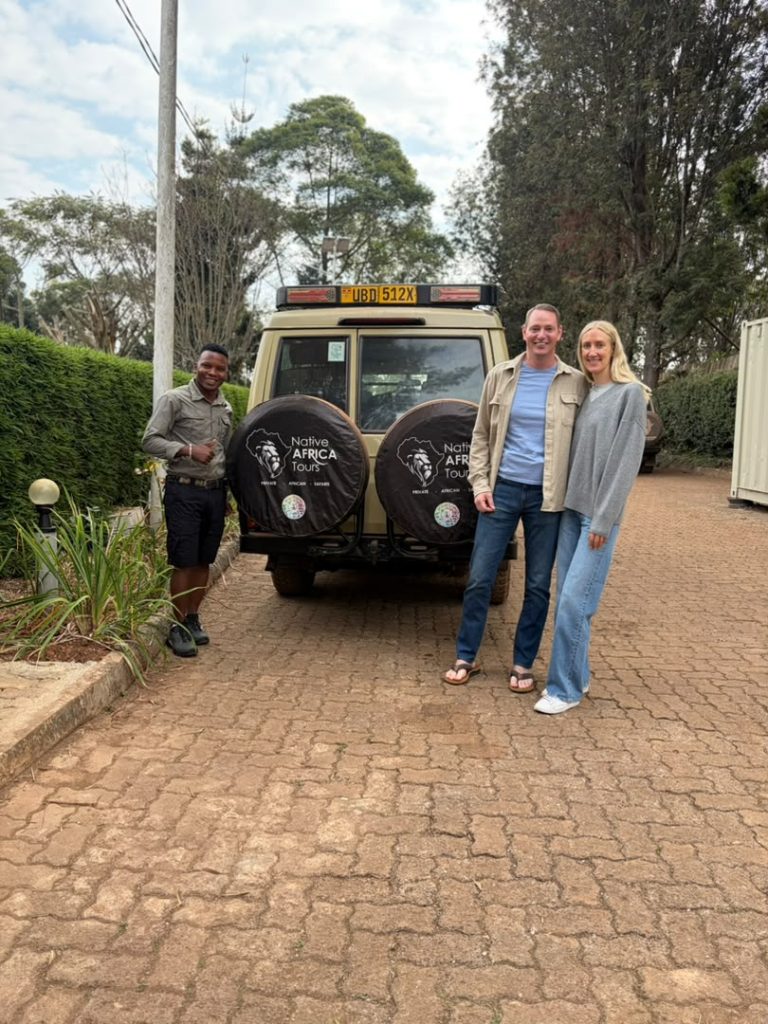
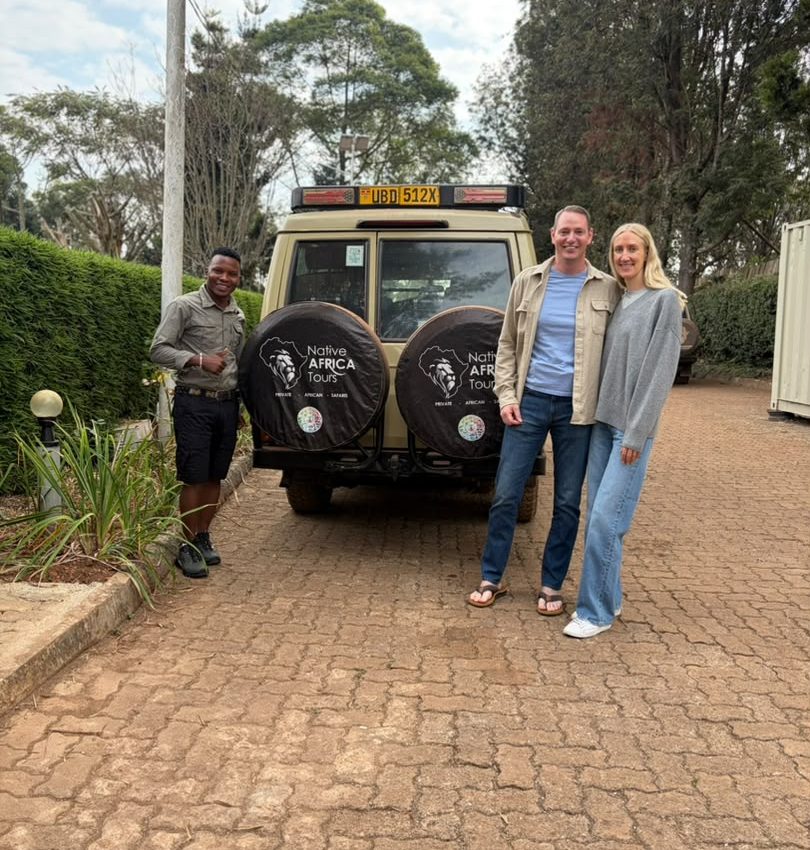
Native Africa Tours organises safari experiences in Uganda and Rwanda, including gorilla trekking, primate experiences, wildlife viewing and tailor-made itineraries. As the team behind GorillaUganda.com, the company focuses on helping travellers understand their options and plan journeys around their preferred activities, travel dates, accommodation standards and budget.
When assessing Native Africa Tours, you should apply the same checks recommended throughout this guide. Review the proposed itinerary, confirm which permits and services are included, ask for the relevant booking terms and make sure you understand the payment arrangements before committing.
The benefit of working with a local safari operator is the opportunity to discuss practical details with a team familiar with the destinations and logistics involved in your trip. That can be particularly useful when you want to combine several national parks, arrange gorilla trekking around specific dates or compare different accommodation categories.
Every traveller has different priorities. Some want a short gorilla trekking experience, while others prefer a longer journey combining wildlife, primates and scenic landscapes. A useful consultation should help you establish what is achievable, identify the important costs and build an itinerary that fits your expectations.
If you are planning a Uganda safari, contact Native Africa Tours to discuss your travel dates and interests. Share the experiences you would most like to include, your preferred accommodation level, and your approximate budget so that the proposed itinerary can be tailored to your needs.
Frequently Asked Questions About Choosing a Uganda Safari Tour Operator
How do I choose a reliable Uganda safari tour operator?
Start by verifying the company’s tourism credentials and legal identity. Then compare its experience with your chosen destinations, permit arrangements, itinerary, accommodation, vehicle, guide services, reviews, and payment terms. Request a detailed written quotation and make sure you understand the cancellation conditions before paying.
How can I verify a Uganda safari company?
Use the Uganda Tourism Board’s official licensed tour companies directory to search for the company’s trading name. Ask the operator to clarify its registered business identity if the names differ. For gorilla and chimpanzee trekking, also review Uganda Wildlife Authority’s official permit guidance and confirm the arrangements for your booking.
Should I book directly with a local Uganda tour operator?
Booking directly with a local operator can give you an opportunity to discuss the itinerary, transport, accommodation and permit arrangements with the company organising your trip on the ground. However, overseas agencies can also be reliable. Compare the actual services, responsibilities, support arrangements and total cost rather than assuming that one business model is always better.
What should a Uganda safari quotation include?
A detailed quotation should identify the itinerary, accommodation arrangements, transport, guiding services, permits, and park fees included in the package. It should also explain meals, activities, exclusions, payment deadlines, and cancellation terms. If any important detail remains unconfirmed, ask for clarification before accepting the offer.
How far in advance should I book a gorilla trekking safari?
The best time to book depends on your travel dates, permit availability, accommodation preferences and itinerary. If you have fixed dates or want a particular trekking sector, begin enquiries early enough to check availability before committing to non-refundable arrangements. Your operator should confirm what is available for your specific dates rather than relying on a general estimate.
Is the cheapest Uganda safari package the best option?
Not necessarily. A lower price may reflect simpler accommodation, fewer included activities, a shared vehicle or different service arrangements. Compare the inclusions and exclusions carefully. The best-value package is one that meets your needs, explains its costs clearly and provides the level of service you expect.
Are gorilla trekking permits included in every Uganda safari package?
No. Some packages include permits, while others quote them separately. Always check the written quotation and ask whether the permit has been reserved or confirmed. Make sure the permit date and trekking location fit your itinerary.
What are the warning signs of an unreliable safari operator?
Warning signs include unclear company credentials, inconsistent payment instructions, vague quotations, missing booking terms, unexplained price changes, and unrealistic promises about travel times or wildlife sightings. One issue does not necessarily prove misconduct, but unresolved concerns should prompt you to pause and verify the details before paying.
Can I combine Uganda and Rwanda in one safari?
Yes, a combined itinerary can include experiences in both countries, depending on your available time, travel documents, entry requirements, and preferred activities. Ask the operator to explain the border crossing, transport arrangements, and time needed between destinations. Check current visa and immigration requirements with the relevant official authorities before travelling.
Final Thoughts: Choose Confidence, Not Just a Low Price
Choosing a reliable Uganda safari tour operator takes more than comparing websites or selecting the cheapest quotation. It requires checking credentials, understanding permit arrangements, evaluating the itinerary, reviewing accommodation and transport, reading independent feedback, and making sure the payment terms are clear.
The strongest choice is not necessarily the largest company or the one with the most impressive advertising. It is the operator that can explain its services clearly, provide verifiable information, offer realistic recommendations, and demonstrate how the arrangements will work in practice.
Take your time to ask questions, compare written proposals and resolve any uncertainties before making a payment. When your permits, accommodation, transport and daily schedule are carefully coordinated, you can approach your Uganda safari with greater confidence and focus on the wildlife, landscapes and experiences that brought you to the country.
If you are ready to start planning, Native Africa Tours can help you explore Uganda and Rwanda safari options, from gorilla trekking and chimpanzee tracking to wildlife safaris and tailor-made multi-day journeys. Contact the team to discuss your dates, interests, and budget and begin shaping a safari that works for you.