
Why are Gorillas Endangered?
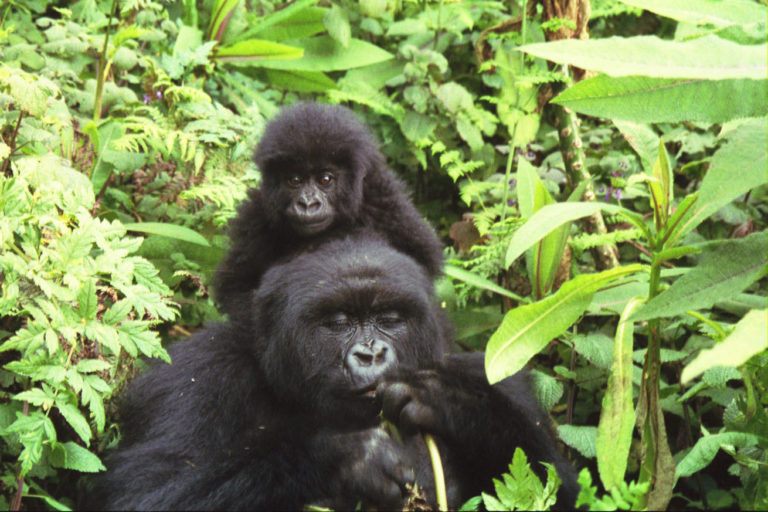
Ever wondered why gorillas are endangered? There are two species of gorillas on the Planet Eastern and Western gorillas, each further sub-divided into two more species. Surprisingly, most of these gorilla sub-species are endangered while one is critically endangered.
The western gorillas are sub-categorized into western lowland and the Cross River Gorillas, the former are endangered while the latter are critically endangered. The Eastern gorillas are split into Eastern lowland and mountain gorillas, both of which are endangered.
Of the four gorilla sub-species, the western lowland gorillas are the most profuse with an estimated World Population of over 250,000 to 300,000 individuals. However, several factors including slow reproductive rate, habitat loss, and diseases are contributing to their decline in population. However, their counterparts have the lowest Population in the wild, with only 250 to 300 individuals thus considered the most vulnerable to extinction if stringent measures are not put to save them.
The Eastern lowland gorillas have gone through serious losses in the past years, leading to a drastic drop in population between 1996 and 2016. Presently only about 3800 individuals are left in their natural habitats (within the Democratic Republic of Congo). The mountain gorilla World population is still at about 1063 individuals much as there are serious strides taken towards their conservation. While different Governments are working hand in hand with International Conservation Agencies to protect these Giant Apes, they are still endangered because of several reasons/factors that include;
Poaching and illegal sale of bush meat
Killing, trapping, and sale of gorillas are widespread throughout the African Continent, yet it is very illegal. Surprisingly, you will find illegal gorilla meat trade still affects the populations of these Great Apes in their natural environments. Much as these primates have been directly targeted by poachers, they also sometimes become victims of indiscriminative hunters in addition to wire snares set for other animals.
Therefore, hunting and illegal bush meat sale is the main threat to the Eastern lowland and Western lowland gorillas, rare with the mountain gorillas that receive more protection from Conservation Agencies.
Diseases
Besides poaching and illegal bushmeat sale, the second reason why gorillas are endangered is diseases, because these Giant Apes share almost 98% of their DNA with humans. The Ebola Virus itself has led to the decline of Great Apes since the 1980s, to the point of bringing about a 95% mortality rate.
The good news however is that the population of gorillas within the Protected Areas (National Parks and Forest Reserves) started experiencing growth about a decade ago, although full recovery will be realized at least 75 to 100 years from now.
Fragmentation and loss of natural habitats
While all the gorilla sub-species are affected by this challenge, it varies from region to region. The growing demand for oil palm plantations, as well as commercial-scale mining, has greatly affected the western lowland gorillas because their natural environments are directly displaced in addition to being used as development corridors. These activities have through the years contributed to the fragmentation of natural forests as well as led to the isolation of gorilla wild populations.
The largest parts of Eastern lowland and Cross River Gorilla natural habitats have been lost to encroachment as well as human settlements. For instance, Cross River Gorillas have lost over 60% of their natural habitats between 1995 and 2010 from village expansion, the need for pastures, illegal logging, and the creation of farmlands.
Political instabilities
The ongoing conflicts and civil wars are the main causes of habitat loss as well as hunting in most of Central Africa. Additionally, the rebel and armed Camps are always established in gorilla habitats, especially in the Eastern Democratic Republic of Congo where the mountain gorillas are greatly affected thus it becomes difficult for conservationists to access Gorilla natural environments to undertake counts as well as bring to bear any serious protective measures.
What can be done to save gorillas from extinction?
Several things can be done to save gorillas from extinction and these include supporting gorilla guardians and conservationists (such as AWF, WWF, Fallen Rangers Fund, and Dian Fossey Fund). You can also trek gorillas responsibly (keeping the 7-meter rule and skipping treks when sick) and buy/use sustainable products.
A detailed introduction to Why are Gorillas Endangered?
Why are Gorillas Endangered? is best understood as more than a name on an itinerary. It is a practical way to experience Uganda, Rwanda, D.R. Congo through gorilla trekking, supported by local guiding and enough time to notice a guided forest trek and a carefully managed encounter with habituated gorillas. The page above explains the central subject; this planning section adds the decisions that turn that information into a workable trip. Travellers should think about the season, the length of each transfer, the amount of activity they enjoy, the standard of accommodation they prefer and how much unstructured time they want. Careful sequencing matters because driving time, trail conditions and wildlife movement all shape the day. In Uganda and Rwanda and D.R. Congo, conditions can change between regions even during the same journey, so a route should be checked as a complete sequence rather than as a list of separate attractions. Start with the experience that matters most, then build transport, rest and secondary visits around it. That approach keeps Why are Gorillas Endangered? rewarding for first-time visitors, experienced safari travellers, couples, families and private groups with different interests. For independent protected-area and conservation context, consult Uganda Wildlife Authority, Visit Rwanda national parks, Virunga National Park travel updates and confirm operational details again near the travel date.
How to plan the timing and route
Timing for Why are Gorillas Endangered? is not only a question of choosing a month. It also involves arrival time, road or flight connections, permit availability where controlled activities are included, and the realistic pace of each day. Dry periods can make some roads and trails easier, while greener months may bring dramatic skies, fresh vegetation and fewer visitors in certain areas. Rain can occur in any season, particularly around forests and highlands, so flexibility remains useful. A local planner should confirm current park rules and access before final payment because official conditions can change. Use the Uganda safari collection to compare journeys in the same region, then review the complete safari collection if you may want to combine countries. Arriving a night before a major trek or long game-drive day is often more comfortable than connecting directly from an international flight. When the route covers several borders, build in sensible buffers and avoid treating every transfer as guaranteed to take the shortest possible time.
Further planning resources for Why are Gorillas Endangered?
Compare the destination guides. Use official sources for general background and confirm current fees, access, schedules, permits and operating rules for the exact travel dates before payment. Internal Gorilla Uganda pages help compare route structure and travel style, while the open inquiry form allows a local specialist to check how the information applies to a private journey.