
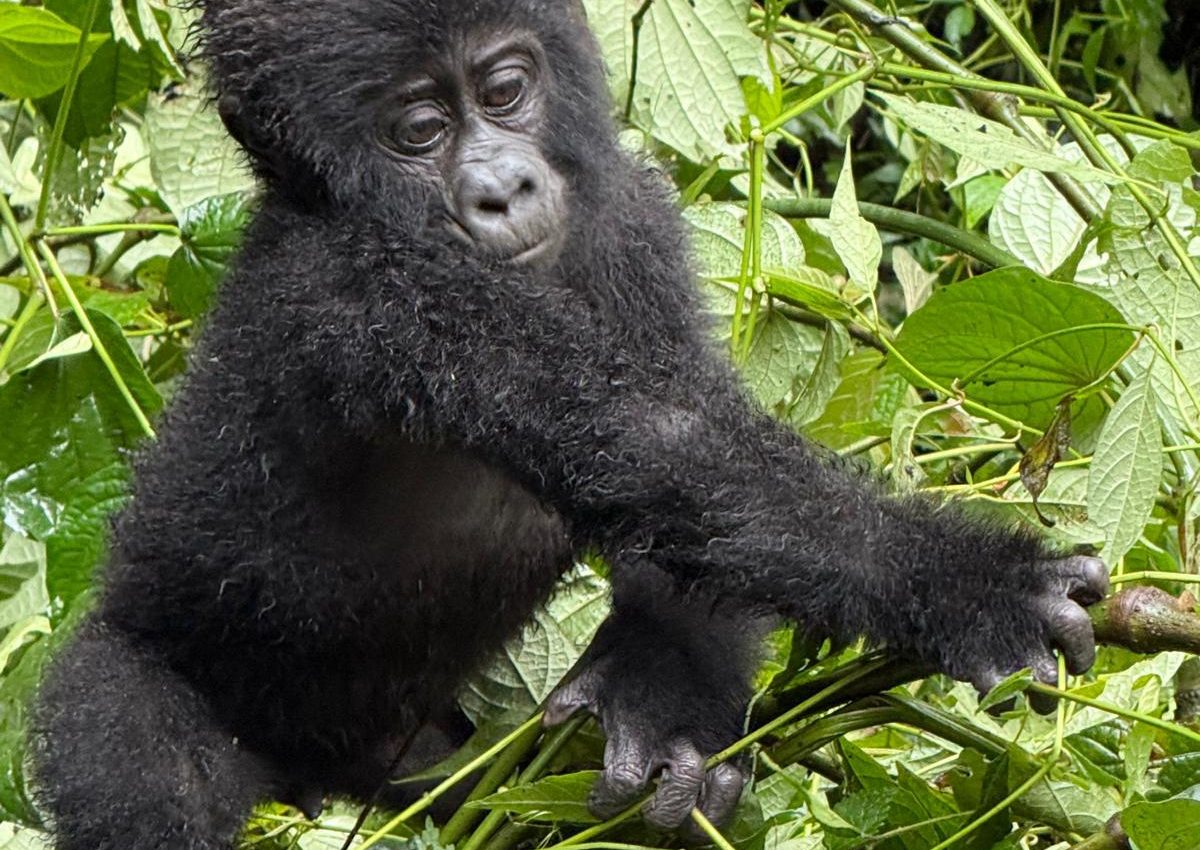
Visiting Uganda to see mountain gorillas in their natural habitat is one of the world’s most extraordinary wildlife experiences. The country’s Bwindi Impenetrable National Park and Mgahinga Gorilla National Park are home to roughly half of the world’s remaining mountain gorillas. A guided trek to observe a habituated gorilla family is unforgettable. Because gorilla permits are limited and in high demand, understanding how to book one well in advance is essential. This article explains, step by step, how to secure a gorilla permit in Uganda, what to expect before and during your visit, budgeting and timing considerations, and tips for ensuring a smooth, responsible, and respectful experience.
Why gorilla permits are required
Gorilla permits serve several crucial purposes. Limiting the number of visitors reduces disturbance to gorilla families and lowers the risk of disease transmission. Permits ensure that trained guides accompany visitors and that groups are kept small (usually a maximum of eight people per gorilla family) so visits are controlled and safe. Permit fees provide essential funding for conservation programs, ranger patrols, local community projects, and park management.
Understanding the permit types and prices
Uganda offers two main locations for mountain gorilla trekking. Bwindi Impenetrable National Park is the larger and more popular destination with several sectors (e.g., Buhoma, Ruhija, Nkuringo, Rushaga). Most gorilla families are located here. Mgahinga Gorilla National Park is smaller, often less crowded, and sometimes used for gorilla habituation experiences and golden monkey trekking.
Permit fees in Uganda can change, so always check up-to-date official sources before booking. Historically, foreign non-resident adults have paid a higher fee than residents and East African citizens. The standard gorilla trekking permit for foreign non-resident costs $800 per person per trek. This fee typically includes the park entrance, guiding, and conservation contributions. There are also habituation permits (which allow more time with gorillas). These are generally more expensive and limited in number.
When to book (timing and seasons)
Gorilla permits are strictly limited, and demand is highest during the main tourist seasons. June–September and December–February. These months have drier weather and are popular with international visitors. March–May and October–November. These months see more rain, but trails may be less crowded and some operators offer discounts.
Because permits can sell out months in advance – especially for peak season and popular trekking sectors – book as early as possible. For travel during high season, it is advisable to secure permits at least 3–6 months ahead. Even for shoulder seasons, booking 3–6 months in advance is prudent. If you have very specific dates or a preferred gorilla family (e.g., for photography or accessibility reasons), book even earlier.
Step-by-step guide to booking a gorilla permit
Decide where and when to trek
Choose Bwindi or Mgahinga. Bwindi offers more trekking options and a larger gorilla population; Mgahinga is smaller and quieter. Pick a preferred travel window and remain somewhat flexible.
Work with a reputable tour operator
Booking through a licensed tour operator is the most common, convenient, and recommended route. Local operators handle permits, park bookings, transfers, lodging, and guiding logistics. This is particularly useful if you’re combining gorilla trekking with other activities in Uganda (safari, cultural visits, Lake Bunyonyi, etc.).
Confirm permit availability and pay
Provide the necessary traveler details: full names as shown on passports, nationality, passport numbers, date of birth, and preferred trekking dates. Pay the permit fee. Tour operators typically collect payment in full or as a deposit when reserving permits. Ensure you receive written confirmation and a receipt for your paid permit. Keep copies of all documents and confirmations. You’ll need to present these when checking in at the park.
Arrange logistics: travel, accommodations, and transfers
Most international visitors arrive via Entebbe International Airport (near Kampala) and then transfer to the gorilla region by domestic flight (to Kihihi, Kisoro, or Kisoro airstrip for Mgahinga) or by road. Domestic flights can be convenient and save time but need to be booked early, especially during peak season. Choose accommodation near your trekking sector. Bwindi’s sectors each have lodges and guesthouses catering to different budgets and preferences. Book these alongside your permit through your operator. Arrange ground transfers. Travel times by road from Kampala to the gorilla region can be long (8–10 hours or more), so plan accordingly.
Health and safety preparations
Consult your physician or travel clinic well before travel for routine vaccines and recommended travel vaccines (e.g., yellow fever, hepatitis). Uganda often requires proof of yellow fever vaccination on arrival from certain countries. Bwindi and Mgahinga are in malaria risk areas. Take anti-malarial prophylaxis as recommended and use insect repellent, long sleeves, and mosquito nets where appropriate. Check current entry requirements and park health protocols. As gorillas can catch human diseases, you’ll generally be required to be in good health and may be asked to wear masks during the trek if recommended.
Arrival and pre-trek briefing
Arrive at your allocated park entrance the day before or the morning of your trek as advised by park officials or your guide. Rangers and guides explain rules, safety procedures, and appropriate behavior around gorillas (minimum distance rules, noise control, not eating or smoking, and how to position yourself for viewing and photography). You’ll be grouped with other trekkers. Groups are typically limited to eight people per gorilla family.
The trek and gorilla viewing
Trek time varies widely, from under an hour to several hours (sometimes 4–8 hours) through steep and muddy forest. Guides and trackers may use forest paths and machetes to clear a route; you may also be guided by trackers who have located the gorillas earlier that morning. Treks can be strenuous. Inform your operator in advance if you have mobility concerns. Some gorilla families are in more accessible locations and can be arranged for people with limited mobility.
On finding the gorillas, you are usually allowed one hour with the family. Respect the rules: keep the required distance (often 7 meters), follow guide instructions, avoid sudden movements, no flash photography, and do not present food. Most parks allow non-flash photography, but confirm rules. Respect the gorillas’ well-being above getting close-up shots.
After the trek
Return to your lodge, where you can rest and reflect on the experience. Consider tipping your guide and trackers if their service was helpful, tipping is customary. Your tour operator or guide can advise about appropriate amounts.
Conclusion
Booking a gorilla permit in Uganda requires planning, prompt action, and respectful preparation. Because permits are limited and in high demand, early booking (ideally through a reputable tour operator) greatly increases your chances of securing a coveted spot. With the right preparation and a mindset of conservation and respect, visiting Uganda’s mountain gorillas is not only a once-in-a-lifetime wildlife encounter but also a meaningful contribution to the survival of these magnificent animals and the communities that protect them.
Further planning resources for How to Book a Gorilla Permit in Uganda
Compare the complete safari package library, destination guides, safari experiences. For independent destination and conservation context, consult Uganda Wildlife Authority. Use official sources for general background and confirm current fees, access, schedules, permits and operating rules for the exact travel dates before payment. Internal Gorilla Uganda pages help compare route structure and travel style, while the open inquiry form allows a local specialist to check how the information applies to a private journey.