Gorilla trekking in Mgahinga National Park
Mgahinga National Park is 38 square kilometers in size and this makes it the smallest national park in Uganda. The park is situated in South Western Uganda in the Kisoro district. This is at the very edge of southwestern Uganda. It’s in the corridor of volcanoes Sabyinyo, Muhabura, and Gahinga, surrounded by a rich ecosystem of Volcanoes National Park on the Rwanda side and Virunga National Park on the D.R Congo side.
It spreads across the three countries and sits at the intersection of three countries. It’s also important to note that this park is one of the many that make up the Virunga Conservation Area. As one approaches the park, cones of the existing volcanoes surrounding the park start becoming visible. At Ntebeko gate, the park’s highlands are magnificent with the movement into the park’s interior.
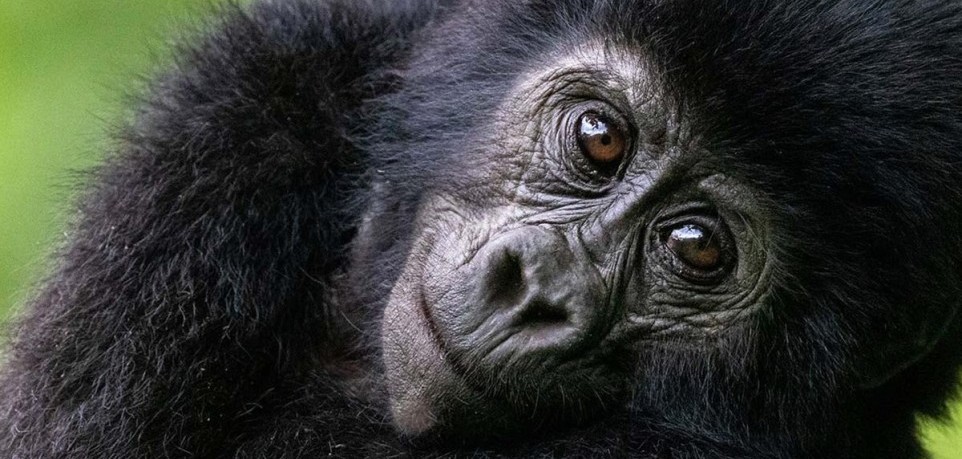
Mgahinga National Park is a rich ecosystem with distinct fauna but the most outstanding wildlife includes mountain gorillas. Mgahinga’s mountain gorillas are available for tourism and can be trekked any day.
The park’s name comes from the word “Gahinga” which refers to a pile of volcanic stones. It was a game sanctuary from 1930 before it was gazette as a national park in 1991. The national park is mixed with various vegetation, especially the tropical rainforests and because of this, it was declared a National Park to protect the mountain gorillas that are classified as endangered species. This national park is significant to the Batwa people who live close to it. They initially lived within the present park areas before their forest activities were limited due to the conservation efforts from regulating and conservation bodies.
How is Gorilla trekking in Mgahinga National Park?
Just like Bwindi Impenetrable National Park, Mgahinga has gorillas that can be trekked. The difference with Bwindi is that it only has one mountain gorilla family. Nyakagezi Gorilla Family is the available family available for trekking. This habituated gorilla family is also a gateway to hike various volcanoes within the park. It has 9 individuals with 4 silverbacks, a juvenile, 2 adult females, and 2 infants. Mark is the leader and he succeeded Bugingo. Bugingo is recorded to have lived for 54 years, making him one of the gorillas to have lived longer in the Virunga area.
Best time to trek mountain gorillas in Mgahinga National Park
This park experiences both dry and wet seasons since it’s located in the tropics. The rainy season is often disruptive and because of this, tourists are recommended to trek mountain gorillas during the dry seasons. The months of June to September bring the first dry season, while December to February present the second dry season. These are the best seasons for trekking gorillas in Mgahinga National Park.
The cost of gorilla permits in Mgahinga National Park
Before embarking on a gorilla trek, travelers are advised to get information as much as they can to make informed decisions. Every visitor needs a gorilla trekking permit to have access to the park. Gorilla permits can be purchased from a reputable tour operator like Native Africa Tours.
The costs are for each individual and they are as follows; $800 for foreign non-residents, $700 for foreign residents, and UGX 250,000/= for East African nationals. However, travelers are advised to make early bookings due to the large numbers of interested trekkers during the peak season which may have a tourist ending up being pushed to undesirable dates or missing out on their treks. It’s therefore advised for trekkers to find all required information from their tour operator before the trekking.
A detailed introduction to Gorilla trekking in Mgahinga National Park
Gorilla trekking in Mgahinga National Park is best understood as more than a name on an itinerary. It is a practical way to experience Mgahinga Gorilla National Park through gorilla trekking, supported by local guiding and enough time to notice a guided forest trek and a carefully managed encounter with habituated gorillas. The page above explains the central subject; this planning section adds the decisions that turn that information into a workable trip. Travellers should think about the season, the length of each transfer, the amount of activity they enjoy, the standard of accommodation they prefer and how much unstructured time they want. Careful sequencing matters because driving time, trail conditions and wildlife movement all shape the day. In Uganda, conditions can change between regions even during the same journey, so a route should be checked as a complete sequence rather than as a list of separate attractions. Start with the experience that matters most, then build transport, rest and secondary visits around it. That approach keeps Gorilla trekking in Mgahinga National Park rewarding for first-time visitors, experienced safari travellers, couples, families and private groups with different interests. For independent protected-area and conservation context, consult Uganda Wildlife Authority, UNESCO’s Bwindi overview, IUCN mountain gorilla conservation information and confirm operational details again near the travel date.
How to plan the timing and route
Timing for Gorilla trekking in Mgahinga National Park is not only a question of choosing a month. It also involves arrival time, road or flight connections, permit availability where controlled activities are included, and the realistic pace of each day. Dry periods can make some roads and trails easier, while greener months may bring dramatic skies, fresh vegetation and fewer visitors in certain areas. Rain can occur in any season, particularly around forests and highlands, so flexibility remains useful. A local planner should confirm current park rules and access before final payment because official conditions can change. Use the Uganda safari collection to compare journeys in the same region, then review the complete safari collection if you may want to combine countries. Arriving a night before a major trek or long game-drive day is often more comfortable than connecting directly from an international flight. When the route covers several borders, build in sensible buffers and avoid treating every transfer as guaranteed to take the shortest possible time.
What the experience may feel like
The character of Gorilla trekking in Mgahinga National Park comes from a guided forest trek and a carefully managed encounter with habituated gorillas. Some moments are active and focused, while others are quiet: listening to a guide, waiting for wildlife to move, watching light change across the landscape or sharing a meal after a long day. A private journey makes it easier to adjust stops and explanations to the group, although protected-area rules, ranger instructions and safety limits always take priority. Guides read tracks, weather, vegetation, road conditions and animal behaviour, then explain what those clues mean without promising a sighting that nature cannot guarantee. Travellers get more from gorilla trekking when they ask questions and allow time for observation rather than concentrating only on photographs. The route may include early starts, uneven ground or extended drives, depending on the subject, but these can be balanced with breaks and well-placed nights. Browse the signature experiences to see how different activities can complement one another, especially when one person wants primates and another prefers landscapes, birds, culture or classic wildlife.