
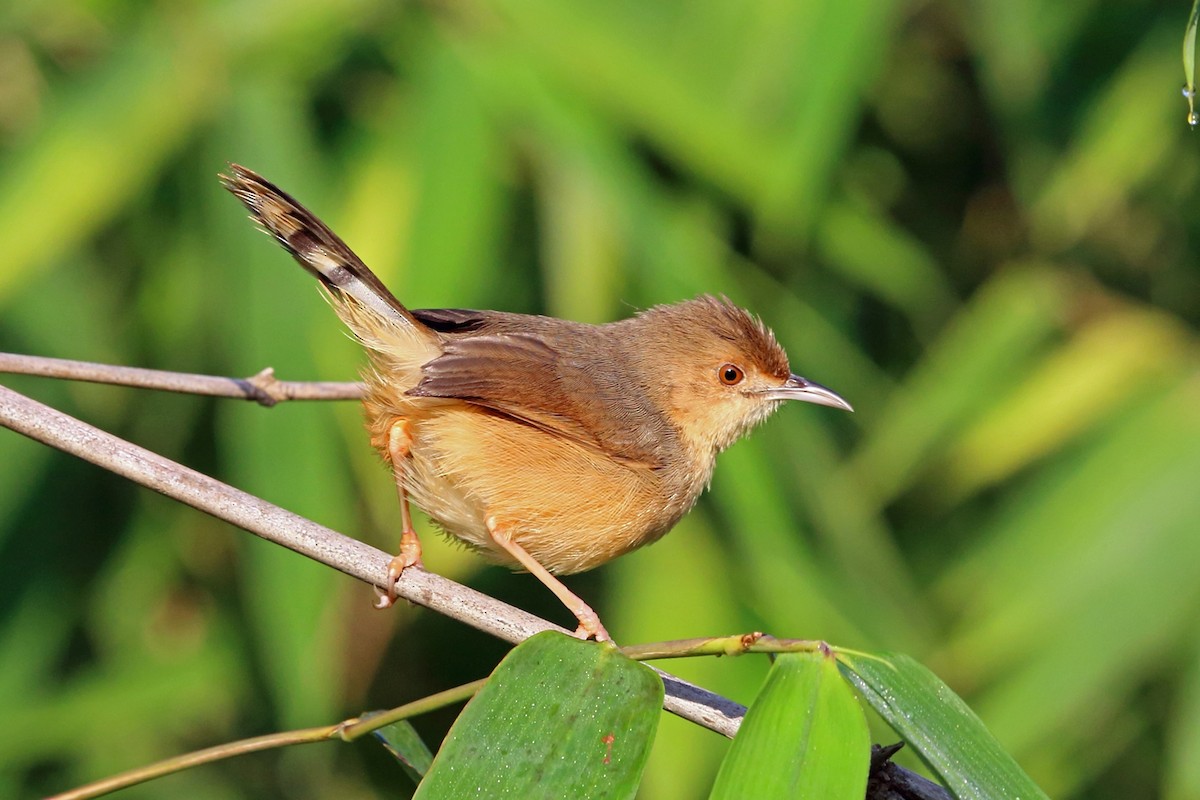
Birding in Bwindi Impenetrable National Park: Bwindi Impenetrable National Park was gazette in 1992 from a forest reserve after the discovery of the mountain gorillas. In 1994 two years later after its elevation to a national park, it was made a UNESCO site. This is because of the various species of flora and fauna species that are rare and only endemic to the park. This includes the forest which dates to as far as 25,000 years ago and also the incredible birds it harbors.
Bwindi Impenetrable National Park is a bird paradise, housing at least 348 bird species, with 90% of them found only in the Albertine Rift region and 14 bird species only found here in Uganda. Bwindi Impenetrable National Park also hosts 7 species categorized in the IUCN red data list. The park has over 4 gorilla sectors Buhoma, Nkuringo, Rushaga, and Ruhija. However, Buhoma and Ruhija offer the best birding experience and are often considered the best birding destinations in the region.

What are some of the bird species in Bwindi Impenetrable National Park?
As earlier mentioned, the park houses more than 348 bird species. These birds are hosted in the different ecological systems in the park. Bwindi Impenetrable National Park is a well-equipped bird destination with a vast landscape and diverse vegetation that is breathed by the ever-flowing rivers in the park. These combined factors favor the breeding of these birds by providing shelter, food, and water.
Some of the bird species in the park include the following. The African wood owl, black bee-eater, western green tinkerbird, white-bellied robin chat, brown-necked parrot, handsome francolin, grey cuckoo-shrike, fine-banded woodpecker, kivu ground-thrush, red-throated Alethe, Rwenzori batis, blue-headed sunbird, short-tailed warbler, African green broadbill, Shelley’s crimson wing, Rwenzori turaco, bush shrike, Rwenzori nightjar, mountain masked apalis, handsome spurfowl, African harrier hawk, giant kingfisher, cinnamon chested bee-eater, regal bird, strip-breasted tit, dusky Crimsonwing, strange weaver, Chapin’s flycatcher, mountain yellow warbler, and red-faced woodland warbler to mention but a few.
These birds in Bwindi Impenetrable National Park are of two types, migratory and endemic birds. Migratory birds are birds who seasonally fly in the park for breeding and then they leave for other areas for another season. They are usually spotted in the wet months of the year when it is during their breeding season. Endemic birds are the common and full-time residents of the park and can be spotted any time of the year.
Birding trails in Bwindi Impenetrable National Park
With the various bird species in Bwindi Impenetrable National Park, there are designated birding places and trails across the park that help lead birders to the different habitats of these species. These trails include the following.
Mubwindi swamp trail
The Mubwindi swamp trail is located in the Ruhija sector in the eastern part of Bwindi. It is a popular destination in the park for birding since it harbors the largest number of birds on all the trails. This is because of the vast nature of the swamp. The swamp was named Mubwindi meaning darkness in the local language. It is believed that as the Bukiga people were migrating they were stuck in this swamp for days without a way out due to pinch black darkness. Legends have it that they had to sacrifice a beautiful girl to find a way as directed by their spiritual gods.
After they had moved out of the swamp they named it Mubwindi bwa Nyinamukari to symbolize the darkness that claimed her. Birds to spot while on this trail include white-starred robin, Albertine sooty boubou, African harrier hawk, crowned hornbill, etc.
Buhoma waterfall trail
The Buhoma waterfall trail runs across the Buhoma gorilla sector of Bwindi Impenetrable National Park. The trail takes the birders across the waterfall in the sector uncovering the hidden habitats of various birds like white-tailed ant thrush, dapper francolin, splendid black bee-eater, yellow-eyed black, and African sooty flycatchers to mention but a few.
River Ivy trail
This trail is located in between the Buhoma and Nkuringo sectors with beautiful views of the forest. The trail cuts across the Ivy River that flows south to the Nkuringo sector. The River trail is perfect for spotting birds like Montane oriole, waller’s starling, black-billed turaco, Barbet, dwarf honey guide, red-chested flufftail, and Oriole finch to mention but a few.
What is the best time to do birding in Bwindi Impenetrable National Park?
Bwindi Impenetrable National Park’s proximity to the equator and its location in East Africa, it receives a tropical type of climate. This climate is characterized by two wet and dry seasons annually. The best time to do birding easily comes during the wet season when they are breeding, and easier for their presence to be noticed. This is during March, April, October, and November and is characterized by heavy rains. This is the best season to encounter migratory bird species.
The dry season that runs from June to September and December to February is also a good time for birding. This season receives little or no rainfall hence easing navigation across the birding trails since they are dry and vegetation is sparse. Therefore birding in Bwindi Impenetrable National Park can be done anytime of the year.
A detailed introduction to Birding in Bwindi Impenetrable National Park
Birding in Bwindi Impenetrable National Park is best understood as more than a name on an itinerary. It is a practical way to experience Bwindi Impenetrable National Park through gorilla trekking, supported by local guiding and enough time to notice a guided forest trek and a carefully managed encounter with habituated gorillas. The page above explains the central subject; this planning section adds the decisions that turn that information into a workable trip. Travellers should think about the season, the length of each transfer, the amount of activity they enjoy, the standard of accommodation they prefer and how much unstructured time they want. The strongest itineraries leave room for real observations instead of rushing from one headline sight to another. In Uganda, conditions can change between regions even during the same journey, so a route should be checked as a complete sequence rather than as a list of separate attractions. Start with the experience that matters most, then build transport, rest and secondary visits around it. That approach keeps Birding in Bwindi Impenetrable National Park rewarding for first-time visitors, experienced safari travellers, couples, families and private groups with different interests. For independent protected-area and conservation context, consult Uganda Wildlife Authority, UNESCO’s Bwindi overview and confirm operational details again near the travel date.
Further planning resources for Birding in Bwindi Impenetrable National Park
Compare the complete safari package library, destination guides, safari experiences, Gorilla Uganda travel journal. Use official sources for general background and confirm current fees, access, schedules, permits and operating rules for the exact travel dates before payment. Internal Gorilla Uganda pages help compare route structure and travel style, while the open inquiry form allows a local specialist to check how the information applies to a private journey.